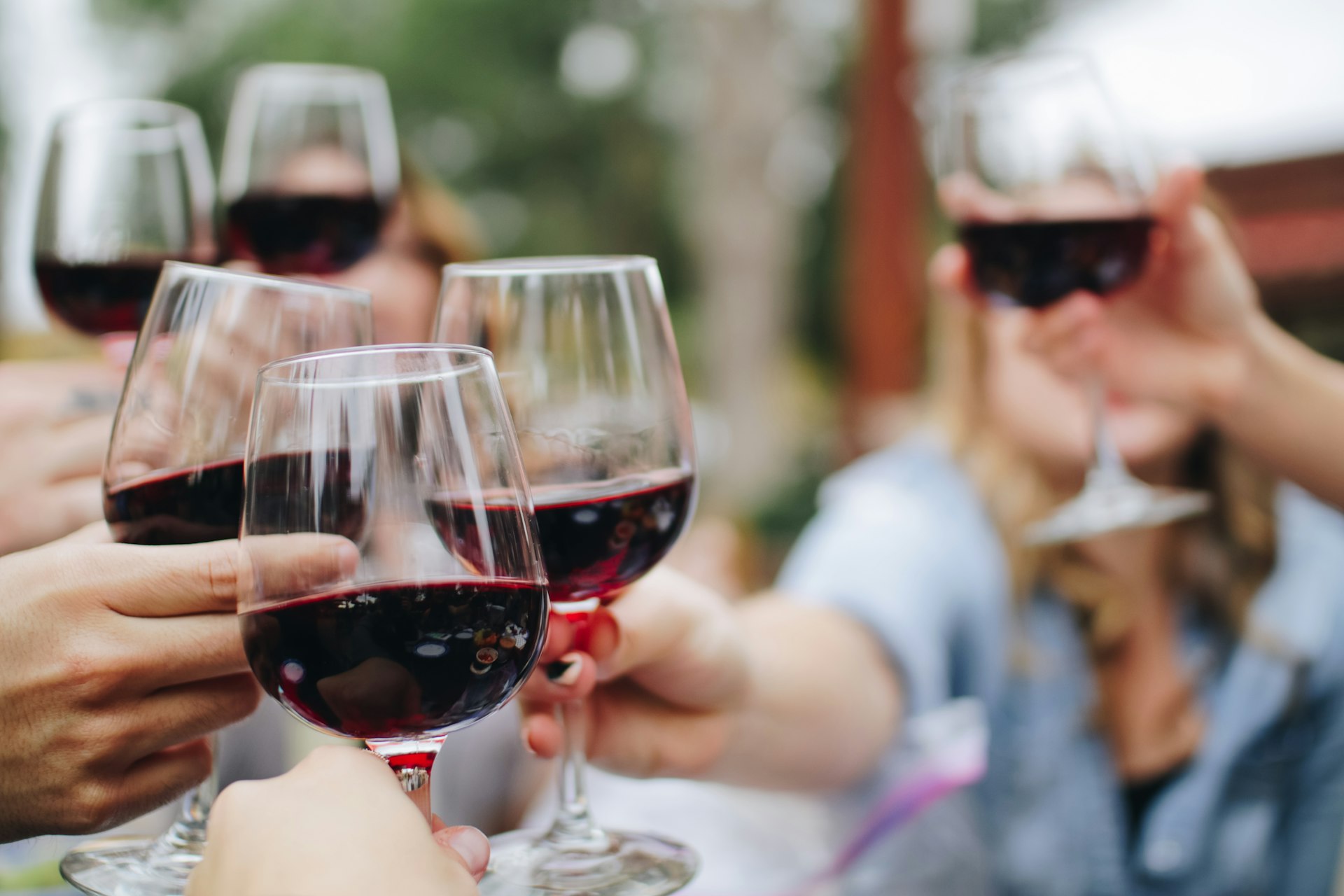
Can you drink alcohol while taking Ozempic? Understanding the risks, interactions, and guidelines for alcohol consumption on semaglutide.
By Med Consumer Watch Team
If you're taking Ozempic (semaglutide), you may wonder if you can still enjoy a glass of wine or a cocktail. While there's no absolute prohibition, there are important considerations about alcohol and GLP-1 medications. Here's what you need to know.
Is Alcohol Allowed on Ozempic?
The short answer: Alcohol isn't strictly prohibited, but it requires caution.
The FDA label doesn't forbid alcohol with Ozempic, but several factors make moderate consumption important:
• Blood sugar effects
• Increased side effect risk
• Empty calories
• Dehydration concerns
• Changed alcohol tolerance
Most healthcare providers don't say "never," but do recommend limiting alcohol and being aware of how it affects you differently on medication.
Blood Sugar Concerns
For diabetics, alcohol and Ozempic require extra caution:
The risk:
Both Ozempic and alcohol can lower blood sugar. Combined, they may increase hypoglycemia risk, especially if you're also taking insulin or sulfonylureas.
What happens:
Alcohol blocks your liver's ability to release glucose. Ozempic also helps lower blood sugar. The combination can cause dangerous lows.
Symptoms of low blood sugar:
• Shakiness
• Sweating
• Confusion
• Rapid heartbeat
• Dizziness
• Hunger
If not diabetic:
The risk is lower, but hypoglycemia can still occur, especially if you haven't eaten.
Never drink alcohol on an empty stomach while taking Ozempic, especially if you have diabetes or take other blood sugar-lowering medications.
Worsened Side Effects
Alcohol may amplify common Ozempic side effects:
Nausea:
Both Ozempic and alcohol can cause nausea. Combined, the effect may be significantly worse.
Gastrointestinal issues:
Alcohol irritates the stomach. Combined with Ozempic's GI effects, you may experience increased discomfort, vomiting, or diarrhea.
Dehydration:
Both alcohol and GI side effects can cause dehydration. Drinking alcohol may worsen this.
Fatigue:
Many people feel more tired on Ozempic. Alcohol compounds this effect.
Changed Alcohol Tolerance
Many Ozempic users report changes in how alcohol affects them:
Lower tolerance:
Some people feel intoxicated with less alcohol than before. This may be related to slowed gastric emptying or weight loss.
Changed preferences:
Some users report decreased interest in alcohol—fewer cravings and less desire to drink. This mirrors the food noise reduction many experience.
Worse hangovers:
Some report more severe hangovers, possibly related to dehydration or GI effects.
Be cautious:
Start with less alcohol than usual and see how you react. You may need to recalibrate your drinking habits.
Many Ozempic users find their relationship with alcohol naturally changes—they want it less and tolerate it less well. This can be a positive side effect for those looking to reduce consumption.
Guidelines for Drinking on Ozempic
If you choose to drink:
Never drink on an empty stomach - Always eat before and during drinking
Start slow - You may have lower tolerance than before
Stay hydrated - Alternate alcoholic drinks with water
Choose lower-sugar options - Avoid sugary mixers and sweet wines
Monitor blood sugar if diabetic - Check more frequently when drinking
Limit quantity - Stick to moderate drinking (1 drink/day for women, 2 for men maximum)
Know the signs of hypoglycemia - Be able to recognize and treat low blood sugar
Avoid heavy drinking - The risks increase substantially with higher consumption
Best Alcohol Choices
If drinking, consider lower-impact options:
Better choices:
• Dry wine (red or white)
• Light beer
• Spirits with sugar-free mixers
• Hard seltzer
Avoid or limit:
• Sweet cocktails
• Sugary mixers
• Dessert wines
• Regular beer (higher carbs)
• Frozen drinks
Remember that alcohol provides calories (7 per gram) without nutrition. When you're eating less on Ozempic, empty alcohol calories become a bigger percentage of your intake.
When to Avoid Alcohol Entirely
Consider avoiding alcohol completely if:
• You have severe GI side effects from Ozempic
• You're in the early weeks of treatment (side effects are usually worse)
• You have diabetes with poor control
• You take insulin or sulfonylureas
• You have a history of alcohol use disorder
• You're experiencing dehydration
• You have liver disease
The Bottom Line
Alcohol isn't forbidden on Ozempic, but it requires thoughtful moderation. The combination can worsen side effects, affect blood sugar, and hit you harder than expected. Many users find their desire for alcohol naturally decreases—if that's you, embrace it as a bonus benefit.
If you do drink, eat first, stay hydrated, choose lower-sugar options, and monitor how you feel. When in doubt, less is more—and it's always okay to skip alcohol entirely while on GLP-1 therapy.
Sources & References
FDA Prescribing Information - Ozempic
American Diabetes Association - Alcohol and Diabetes
Medical Disclaimer
This article is for informational purposes only and is not intended as medical advice. Always consult with a qualified healthcare provider before making decisions about your health or medications. Individual experiences may vary.
Med Consumer Watch exists to help consumers make informed choices. Our brand brings that mission to GLP-1 care: clear plan prices, clinician review and support included, so you can compare your options and get started with confidence.
Treatment requires a prescription and clinician approval. If treatment is declined, your payment is refunded. Compounded medications are not FDA-approved.
Enter to Win a $1,788 CoreAge Rx Gift Card
Enter for a chance to use it toward eligible CoreAge Rx products and services.
The gift card may be applied toward eligible CoreAge Rx products and services. Prescription products additionally require completing the intake process and evaluation by a licensed healthcare provider, who alone decides eligibility and treatment. Winning does not guarantee that you will qualify for a GLP-1 medication or any other prescription treatment.