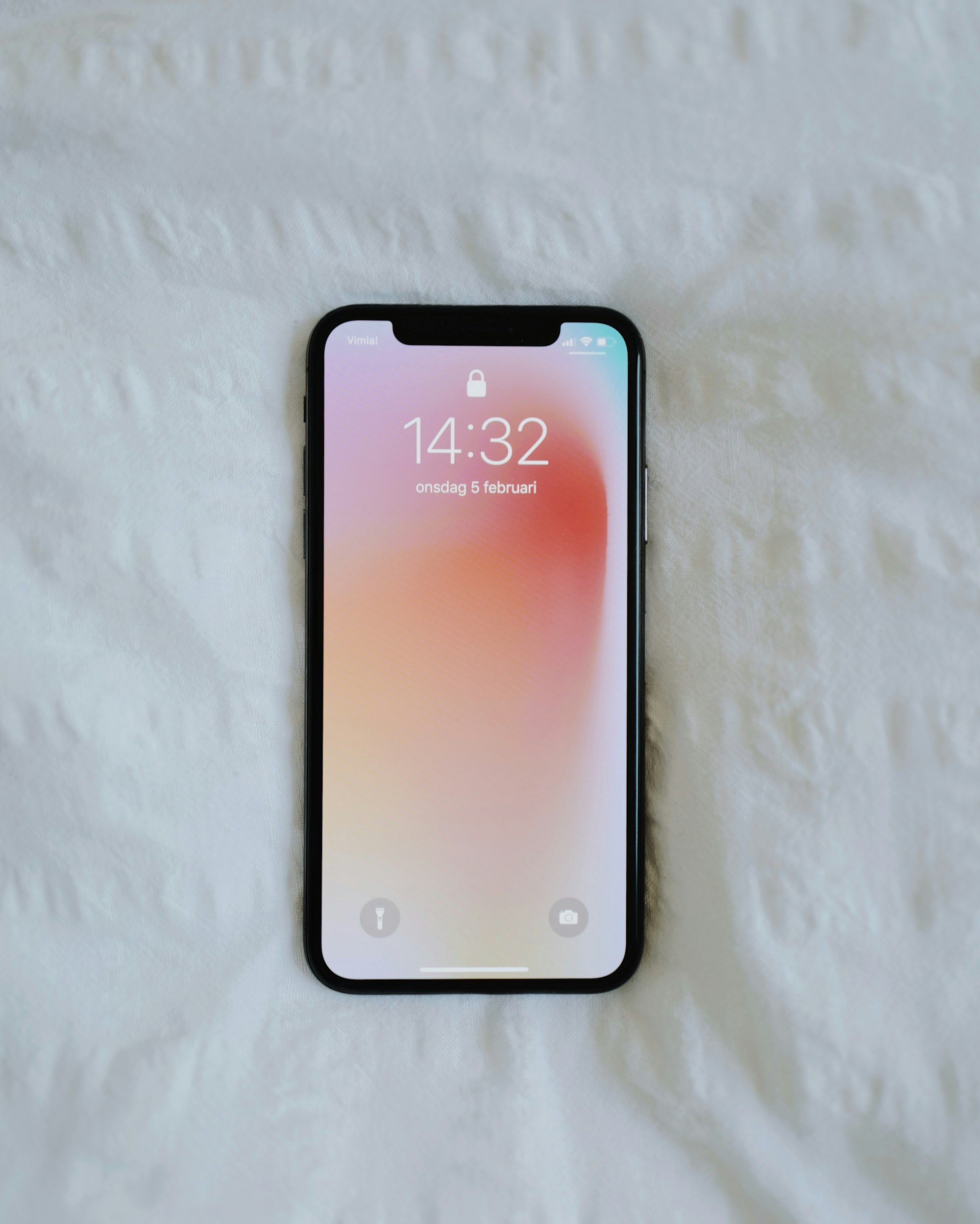
Case-Mate Review: If You Have a Pacemaker, Keep MagSafe Six Inches Away
Case-Mate sells phone cases, MagSafe accessories, screen and lens protectors and bags. The design is the selling point - and if you have an implanted cardiac device, the magnets need six inches of clearance.
By Med Consumer Watch Team
Case-Mate makes phone cases and accessories — iPhone, Samsung, Google, Motorola and LG cases; screen and lens protectors; AirPods, AirTag and iPad cases; and a large MagSafe range including portable chargers, wallets, ring stands, loop grips, suction mounts, a wireless charger and lip gloss holders — plus bags and collaboration collections.Verified from its own site, August 13, 2026.This is a design-led accessory brand, and that is a perfectly good thing to be.Cases are bought on looks at least as much as on protection, and pretending otherwise would be dishonest.The site carries "Warranty Policy & Claims" and "Returns & Shipping" pages, but those pages did not render for us — so confirm the warranty length, what it covers, whether proof of purchase is required, the returns window and who pays return postage before ordering. Those are the terms that decide whether a case is a good buy, and we could not verify them.What this review can add is the safety information a case retailer will not put on a product page.The most important of it: the FDA has warned that consumer electronics containing high field strength magnets can interfere with implanted cardiac devices such as pacemakers and defibrillators, and its guidance is to keep such products at least six inches away from an implanted device — and more than twelve inches while charging.Given that a large part of this range is magnetic accessories, that is the thing worth knowing before you buy.This review contains affiliate links and we may earn a commission if you buy through them. The assessment is our own. Informational only — not medical advice.
Magnets and implanted medical devices
This applies to every MagSafe-style accessory from every brand, and it is not widely known.What the FDA has said.The agency has issued guidance that certain consumer electronic devices with high field strength magnets — including some phones and smart watches, and by extension magnetic accessories — may cause certain implanted medical devices to switch to a magnet mode, suspending their normal operation until the magnet is moved away.Which devices are affected:implantable pacemakers, implantable cardioverter defibrillators (ICDs), and some other implanted devices including certain neurostimulators and programmable shunt valves.Insulin pumps and continuous glucose monitors may also be affected — check with the manufacturer.The practical guidance:Keep consumer electronics with magnets at least six inches away from an implanted medical device.Keep them more than twelve inches away while the product is charging, since field strength can be higher then.
Do not carry a phone or magnetic accessory in a breast pocket over an implanted device.This is the specific everyday habit that matters — a shirt pocket sits directly over a typical pacemaker site.Do not rest a phone or magnetic wallet on your chest while lying down.
Ask your cardiologist or device clinic, who can tell you about your specific device and what it does in magnet mode.
If you feel unwell — dizziness, palpitations, faintness — with a magnetic device near your chest, move it away and seek advice.What this does not mean.It does not mean you cannot own a phone, or use magnetic accessories at all.The effect is generally temporary and reverses when the magnet is moved away.It means distance and habits matter, and the six-inch rule is easy to follow once you know it.Two related points worth knowing:Household magnets generally, including magnetic clasps on bags and cases, apply the same principle.Tell any clinician you have an implanted device before imaging, procedures or airport screening, which is standard advice and separate from this.
And an unrelated but genuine magnet hazard, since accessories increasingly contain them: loose high-powered magnets are dangerous if swallowed.If two or more magnets are ingested they can attract through loops of bowel, causing perforation and requiring surgery.This is a well-documented paediatric emergency.Keep small magnetic accessories, rings and loose magnets away from young children, and treat suspected ingestion of more than one magnet as an emergency — go to an emergency department rather than waiting.
Situation | Guidance
Phone or magnetic accessory near an implanted cardiac device | Keep at least 6 inches away
While charging | Keep more than 12 inches away
Breast pocket over a pacemaker site | Do not - this is the everyday habit that matters
Resting a phone on your chest lying down | Avoid
Insulin pumps and glucose monitors | Check with the manufacturer
Loose magnets and young children | Ingesting two or more is a surgical emergency
The FDA advises keeping consumer electronics containing high field strength magnets at least six inches away from implanted medical devices such as pacemakers and defibrillators, and more than twelve inches away while charging. Do not carry a phone or magnetic accessory in a breast pocket over an implanted device. Ask your cardiologist or device clinic about your specific device.
What a drop protection claim actually means
Case protection claims are largely unregulated marketing, and knowing how to read them saves you from paying for a number."Drop tested to X feet" — the questions that matter:Onto what surface?Concrete, steel and a wooden board give wildly different results.A drop test onto plywood is not the same test.At what orientation?Corner-first is the worst case and the most common real-world failure.Flat-back drops are easy.How many drops?A single successful drop is not durability.Tested by whom?In-house testing and independent laboratory testing are different things.Against which standard?MIL-STD-810 is often cited. It is a US military environmental testing standard with many methods and configurable parameters — "MIL-STD-810 compliant" without stating the method and parameters tells you very little, because the manufacturer chooses the test conditions.What actually protects a phone:Raised bezels around the screen and camera, so the phone lands on the case rather than the glass or lens. This is the single most effective design feature and it costs nothing.Corner reinforcement, because corners take the impact.
A shock-absorbing layer rather than a single rigid shell — rigid materials transmit impact to the phone.
Grip.A case that stops the drop happening beats one that survives it.Glossy, slippery cases are actively worse.Port and button coverage for dust and splash resistance.
On screen and lens protectors:Tempered glass screen protectors work.They sacrifice themselves instead of the screen, and replacing one is far cheaper than replacing a display.Camera lens protectors are worth it on phones with protruding lens assemblies, which are expensive to repair — but check for any effect on image quality, particularly flare in night shots.
Check compatibility with your phone's under-display fingerprint sensor, since some protectors interfere.
On "antimicrobial" case claims, which appear across this category: an antimicrobial additive in a plastic is generally intended to protect the material itself from microbial degradation, staining and odour — not to protect you from illness.US regulators have taken action against claims implying that treated articles protect human health.Treat "antimicrobial" on a phone case as a materials claim.If you want a cleaner phone, clean the phone.On price and value generally.A case is a cheap insurance policy against an expensive repair, and modern phone screens and back glass cost a great deal to replace.Almost any decent case with raised bezels is worth buying.Beyond that, you are buying looks, feel and features — which is fine, as long as you know that is what you are buying.Practical buying advice:check the case is made for your exact model, including which variant; confirm MagSafe compatibility if you use magnetic accessories, since not every case with a magnet ring aligns properly; and if you use wireless charging, check case thickness compatibility.
Raised bezels around the screen and camera are the single most effective protective feature on any case, and they cost nothing extra. A phone that lands on the case rather than the glass survives; a thick case without a raised lip does not help.
Your phone and your health
Since this is a phone accessory review on a health publication, these are the things worth knowing.Phone hygiene.Phones accumulate bacteria — they are handled constantly, held against the face, and taken everywhere including bathrooms.Clean your phone regularly following the manufacturer's guidance.For most modern phones that means a soft, slightly damp lint-free cloth, or a 70% isopropyl alcohol wipe used gently.Do not submerge it, do not use bleach, abrasives or compressed air, and avoid getting moisture in openings — the oleophobic coating on screens degrades with harsh cleaners.
Clean the case too, separately, and the gap between case and phone, which is where grime concentrates.
Do not take your phone into the bathroom.Flushing aerosolises contents; this is a genuine and easily avoided exposure.Wipe it after gym use, where shared equipment is involved.
Eyes and screens.Digital eye strain is real — dryness, blurring, headaches and tired eyes after extended screen use.The 20-20-20 rule: every 20 minutes, look at something 20 feet away for 20 seconds.Simple and effective.Blink deliberately.Blink rate drops substantially during screen use, which is the main mechanism of dryness.Hold the phone further away and increase text size rather than bringing it closer.
Screens do not cause permanent eye damage, contrary to common belief, but the strain is genuine and worth managing.
Persistent eye pain, sudden vision change, flashes, floaters or a curtain across the vision are urgent — see an eye specialist, not a settings menu.Neck and hands."Text neck" is not a formal diagnosis but the mechanics are real: holding your head forward and down loads the cervical spine substantially.Bring the phone up toward eye level rather than bending your neck down.Take breaks and move.Persistent numbness, tingling or weakness in the hands or arms is worth medical assessment rather than assuming it is the phone.
Sleep.Phone use in bed is associated with poorer sleep, and the mechanism is more about engagement and alerting content than about blue light alone.Charge your phone outside the bedroom — the single most effective change most people can make to their sleep.
Use an actual alarm clock.Night mode helps a little; not using it helps more.Driving.A phone mount is genuinely a safety product if it keeps a phone out of your hand.Distracted driving is a major cause of crashes, and hands-free is still cognitively distracting — set navigation before you move, and do not text at the wheel regardless of what the law where you are permits.
Children.Loose magnets, small parts and button batteries in accessories are choking and ingestion hazards.Two or more swallowed magnets can perforate the bowel and require surgery — that is an emergency department visit, not a wait-and-see.
Swallowing two or more high-powered magnets can cause them to attract through loops of bowel, perforating it and requiring surgery. Keep small magnetic accessories away from young children and treat suspected ingestion as an emergency. Also seek urgent care for sudden vision change, flashes, floaters or a curtain across the vision - those are not eye strain.
Frequently asked questions
What does Case-Mate sell?
Phone cases for iPhone, Samsung, Google, Motorola and LG; screen and lens protectors; AirPods, AirTag and iPad cases; a large MagSafe accessory range including chargers, wallets, ring stands, grips and mounts; plus bags and collaboration collections.
What is the warranty and return policy?
The site has Warranty Policy & Claims and Returns & Shipping pages, but they did not render for us. Confirm the warranty length and coverage, whether proof of purchase is required, the returns window and who pays return postage before ordering.
Are MagSafe magnets safe if I have a pacemaker?
Keep them at a distance. The FDA advises keeping consumer electronics with high field strength magnets at least six inches from an implanted medical device, and more than twelve inches while charging. Ask your cardiologist about your specific device.
Can I carry my phone in my breast pocket?
Not if you have an implanted cardiac device — a shirt pocket sits directly over a typical pacemaker site.
Do magnets affect insulin pumps or glucose monitors?
They may. Check with the device manufacturer.
What does "drop tested to X feet" mean?
Very little without detail. Ask onto what surface, at what orientation, how many drops, tested by whom, and against which standard and parameters — MIL-STD-810 is configurable, so the citation alone tells you little.
What actually protects a phone?
Raised bezels around the screen and camera so it lands on the case, corner reinforcement, a shock-absorbing layer rather than a rigid shell, and grip — a case that prevents the drop beats one that survives it.
Are tempered glass screen protectors worth it?
Yes. They sacrifice themselves instead of the display, and replacing one costs a fraction of a screen repair.
Does an "antimicrobial" case protect my health?
No. An antimicrobial additive is generally intended to protect the material from degradation, staining and odour. Regulators have acted against claims implying treated articles protect human health.
How should I clean my phone?
Follow the manufacturer's guidance — usually a soft, slightly damp lint-free cloth or a 70% isopropyl alcohol wipe. No bleach, abrasives or submersion, and clean the case and the gap behind it separately.
How do I reduce eye strain?
The 20-20-20 rule — every 20 minutes look at something 20 feet away for 20 seconds — blink deliberately, and increase text size rather than holding the phone closer.
Are magnetic accessories dangerous for children?
Loose or small magnets are. Swallowing two or more can perforate the bowel and require surgery — treat suspected ingestion as an emergency.
The Bottom Line
Our rating: 7 / 10. A broad, design-led accessory range that does what it sets out to do — with terms we could not verify and one safety point that deserves more prominence than any brand gives it.
The range is wide and the appeal is aesthetic, which is a legitimate basis for buying a phone case. Cases are chosen on looks as much as on protection and there is no point pretending otherwise.What we could not confirm are the terms that decide whether it is a good buy.The Warranty Policy & Claims and Returns & Shipping pages did not render for us — so before ordering, establish the warranty length and what it covers, whether proof of purchase is required, the returns window, and who pays return postage.The safety point worth carrying away applies to every MagSafe-style accessory from every brand.The FDA advises keeping consumer electronics containing high field strength magnets at least six inches away from implanted medical devices such as pacemakers and defibrillators, and more than twelve inches while charging.The everyday habit that matters most is the breast pocket, which sits directly over a typical pacemaker site.The effect is generally temporary and reverses with distance — so this is about habits, not about avoiding phones.Ask your cardiologist or device clinic about your own device.On protection claims, learn to read them."Drop tested to X feet" means little without the surface, orientation, number of drops, tester and standard parameters — MIL-STD-810 is configurable, so citing it alone says almost nothing.What genuinely helps is unglamorous: raised bezels around the screen and camera so the phone lands on the case, corner reinforcement, a shock-absorbing layer, and grip.A case that prevents the drop beats one that survives it.Two smaller things.Tempered glass screen protectors are worth buying, because they sacrifice themselves instead of a display that costs a great deal to replace.And treat "antimicrobial" as a materials claim — it protects the plastic, not you.If you want a cleaner phone, clean it: a soft damp cloth or a 70% isopropyl wipe, the case separately, and stop taking it into the bathroom.Check Case-Mate's current range and termsInformational only, not medical advice. Range verified August 13, 2026; warranty and return terms could not be verified and should be confirmed directly before ordering. If you have an implanted medical device, follow FDA guidance on magnet distance and consult your cardiologist or device clinic. Keep loose or small magnets away from young children - swallowing two or more is a surgical emergency.
This article is for informational purposes only and is not intended as medical advice. Always consult with a qualified healthcare provider before making decisions about your health or medications. Individual experiences may vary.
Enter for a chance to use it toward eligible CoreAge Rx products and services.
The gift card may be applied toward eligible CoreAge Rx products and services. Prescription products additionally require completing the intake process and evaluation by a licensed healthcare provider, who alone decides eligibility and treatment. Winning does not guarantee that you will qualify for a GLP-1 medication or any other prescription treatment.