Charles & Colvard Review: Moissanite Is Not a Diamond, and That Is the Point
Back to Articles
Guides11 min readAugust 11, 2026

Charles & Colvard Review: Moissanite Is Not a Diamond, and That Is the Point

Charles & Colvard sells both moissanite and lab-grown diamond. They are different minerals with different optics and very different prices, and conflating them is the most common mistake buyers make. Verified August 11, 2026.

By Med Consumer Watch Team
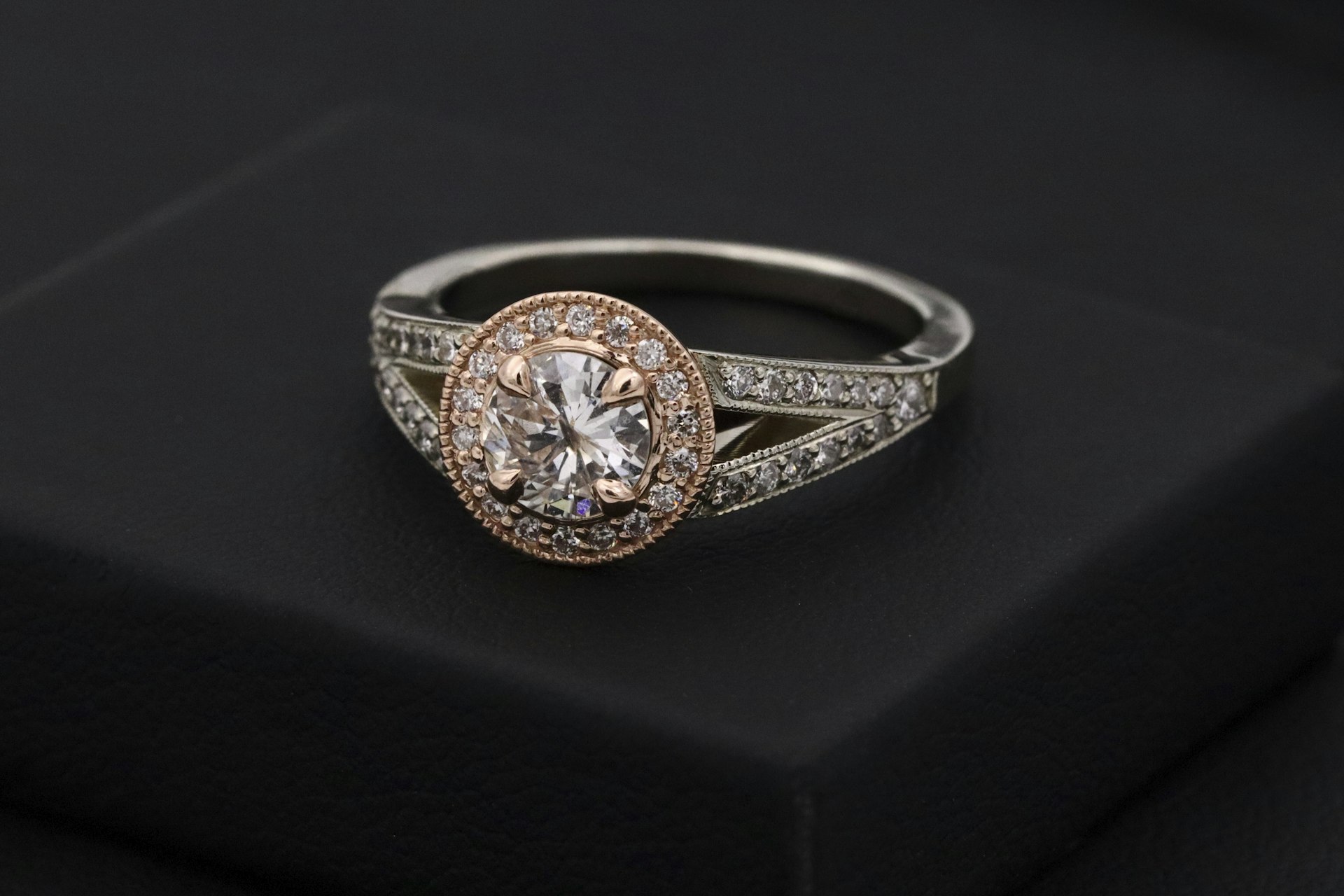
Charles & Colvard sells engagement and fine jewellery in two distinct gem types: moissanite — including its US-grown Forever One line — and lab-grown diamond. It offers virtual consultations, a service portal, a published warranty, and a phone line on 877-202-5467. It is for anyone who wants the look of a large centre stone without diamond pricing — and the choice between its two gem types is the single decision that matters most. Moissanite is not a diamond. It is a different mineral with different optical behaviour. Lab-grown diamond is diamond. Both are legitimate; they are simply not the same purchase, and the price difference between them is large. This review contains affiliate links and we may earn a commission if you buy through them. The assessment is our own. Verified against Charles & Colvard's own pages on August 11, 2026.

Moissanite versus lab-grown diamond — the distinction that decides your purchase

Charles & Colvard sells both, side by side, under one navigation menu. Understanding the difference is the whole job. Moissanite is silicon carbide. It is a different mineral from diamond entirely. Naturally occurring moissanite is vanishingly rare, so essentially all jewellery moissanite is created in a laboratory. Lab-grown diamond is diamond. Chemically, physically and optically it is the same material as a mined diamond, produced in a controlled setting rather than extracted. It is not a simulant or a substitute — it is diamond. What that means in practice: Optically, moissanite has noticeably more dispersion than diamond — more coloured "fire". Some people love this and choose moissanite specifically for it; others find it reads as distinctly not-diamond, particularly in larger stones and bright light. This is a matter of taste, and it is the single most useful thing to see in person before buying. On hardness, diamond is the hardest known natural material at 10 on the Mohs scale. Moissanite sits just below it and is still extremely hard — durable enough for daily wear in an engagement ring by any practical standard. On price, moissanite is dramatically less expensive than lab-grown diamond, which is in turn substantially less expensive than mined diamond. On resale, be realistic about all of them. Neither moissanite nor lab-grown diamond should be bought as a store of value — lab-grown diamond prices in particular have fallen substantially as production has scaled. Buy jewellery because you want to wear it.

If you can, look at moissanite in person and in daylight before committing. Its extra fire is either the reason you will love it or the reason you will not, and no photograph settles that.

Forever One and the lifetime warranty

Charles & Colvard's flagship moissanite is Forever One™, which it describes as the highest-quality moissanite on the market, grown in the USA, backed by a lifetime warranty, and produced using sustainable methods. A lifetime warranty on a gemstone is meaningful but specific. It typically covers the stone against defects such as loss of colour or brilliance — not against loss, theft, or damage caused by wear or accident. What to establish before buying: What the warranty actually covers — defect versus damage is the crucial line. Whether it survives resizing or repair by a third party. Many jewellery warranties are voided by work done outside the retailer's own service channel, and ring resizing is very common. Whether it transfers, which matters if the piece is a gift. What the setting is covered for, as distinct from the stone — settings, prongs and plating usually carry much shorter terms than the gem. The company publishes a warranty page, a service portal, shipping and returns pages, and offers virtual consultations and live chat — a reasonable support structure for a considered purchase made online. Grown in the USA is an unusual and checkable provenance claim in this category, and worth something if origin matters to you.

Buying an engagement ring online

The site is organised sensibly for the purpose: by shape — round, oval, emerald, cushion, pear, radiant, princess, marquise, asscher, heart — and by setting style — solitaire, side-stone, halo, hidden halo, three-stone, toi et moi, vintage-inspired — with an engagement ring buying guide and in-stock options. Practical advice for this purchase specifically: Shape affects perceived size. Elongated shapes such as oval, pear and marquise look larger than a round stone of the same carat weight. If maximising visual size per dollar is the goal, that is the lever. Setting style affects durability. Hidden halos and delicate pavé are beautiful and need more maintenance; solitaires with sturdy prongs are the most robust for daily wear. Use the virtual consultation. For a purchase at this price made without handling the item, a live conversation is worth the half hour — and it is free. Check the returns window before ordering, particularly for anything engraved or custom, which is typically excluded. We could not verify the returns period, whether resizing is included, or shipping insurance terms. Ask.
  • Gem type | What it is | Relative price | Fire
  • Moissanite (Forever One) | Silicon carbide - not diamond | Lowest | Highest - noticeably more than diamond
  • Lab-grown diamond | Genuine diamond | Middle | Diamond
  • Mined diamond | Genuine diamond | Highest | Diamond

Who should buy which

Choose moissanite if: you want the largest, most brilliant stone your budget allows; you like or do not mind the extra fire; and you are comfortable that it is a different mineral rather than a diamond substitute pretending otherwise. Choose lab-grown diamond if: it matters to you or your partner that the stone is diamond; you want diamond's specific optical character; or you expect the question "is it a real diamond?" to come up and want the answer to be an uncomplicated yes. Choose neither here if: you are buying primarily as an investment. Jewellery is generally a poor store of value, and lab-grown diamond prices have fallen markedly as capacity has grown. A word on the honest conversation. Some people care a great deal whether a stone is diamond and some do not care at all. That is worth establishing with the person who will wear it, ideally before purchase rather than after. Charles & Colvard selling both means you do not have to guess — but it also means the choice is genuinely yours to get right.

Frequently asked questions

Is moissanite a real diamond? No. Moissanite is silicon carbide — a real gemstone, but a different mineral from diamond. Lab-grown diamond, which Charles & Colvard also sells, is genuine diamond. Will people be able to tell? Moissanite has more dispersion — more coloured fire — than diamond, which is noticeable to some people, particularly in larger stones and bright light. A jeweller can distinguish them easily with a tester. Is moissanite durable enough for an engagement ring? Yes. It is extremely hard, just below diamond, and suitable for daily wear. What is Forever One? Charles & Colvard's flagship moissanite line, described as grown in the USA and backed by a lifetime warranty. What does the lifetime warranty cover? Gemstone warranties typically cover defects such as loss of colour or brilliance, not loss, theft or accidental damage. Confirm whether third-party resizing voids it and whether it transfers. Does moissanite hold its value? No, and neither does lab-grown diamond in any meaningful investment sense. Buy jewellery to wear. Which shape looks biggest? Elongated shapes — oval, pear, marquise — appear larger than a round stone of the same carat weight. Can I speak to someone before buying? Yes. The company offers virtual consultations, live chat and a phone line on 877-202-5467.

The Bottom Line

Our rating: 8 / 10. A long-established specialist doing the honest thing — selling two different gem types clearly labelled as what they are, and letting you choose. The strength here is the clarity of the offer. Moissanite and lab-grown diamond are presented as separate gem types rather than blurred together, which is exactly right and not universal in this market. The Forever One line has a checkable provenance claim (grown in the USA) and a lifetime warranty. The site is organised for how people actually shop for engagement rings — by shape and by setting — with a buying guide, free virtual consultations, live chat and a published phone number. For a considered purchase made online, that support structure matters. The things to get right are yours rather than the company's. Moissanite is not a diamond, it has visibly more fire, and whether that reads as beautiful or as obviously-not-diamond is a personal judgement best made in person. The lifetime warranty covers defects, not damage — establish whether third-party resizing voids it before you have the ring sized elsewhere. And neither gem type is an investment; lab-grown diamond prices have fallen sharply as production scaled. Buy moissanite here if you want maximum stone for the money and you like the fire. Buy lab-grown diamond here if it matters that the answer to "is it a diamond?" is yes. Either way, use the free consultation first. Browse Charles & Colvard's current range Informational only. Moissanite is silicon carbide and is not diamond; lab-grown diamond is chemically and physically diamond. Jewellery should not be purchased as an investment. Warranty, returns and resizing terms verified as published August 11, 2026 and subject to change - confirm coverage before purchase.

Medical Disclaimer

This article is for informational purposes only and is not intended as medical advice. Always consult with a qualified healthcare provider before making decisions about your health or medications. Individual experiences may vary.

Enter to Win a $1,788 CoreAge Rx Gift Card

Enter for a chance to use it toward eligible CoreAge Rx products and services.

The gift card may be applied toward eligible CoreAge Rx products and services. Prescription products additionally require completing the intake process and evaluation by a licensed healthcare provider, who alone decides eligibility and treatment. Winning does not guarantee that you will qualify for a GLP-1 medication or any other prescription treatment.

No purchase necessary. Prescription products require provider evaluation and approval. See Official Rules. Official Rules · Gift Card Terms · Privacy Policy · Terms