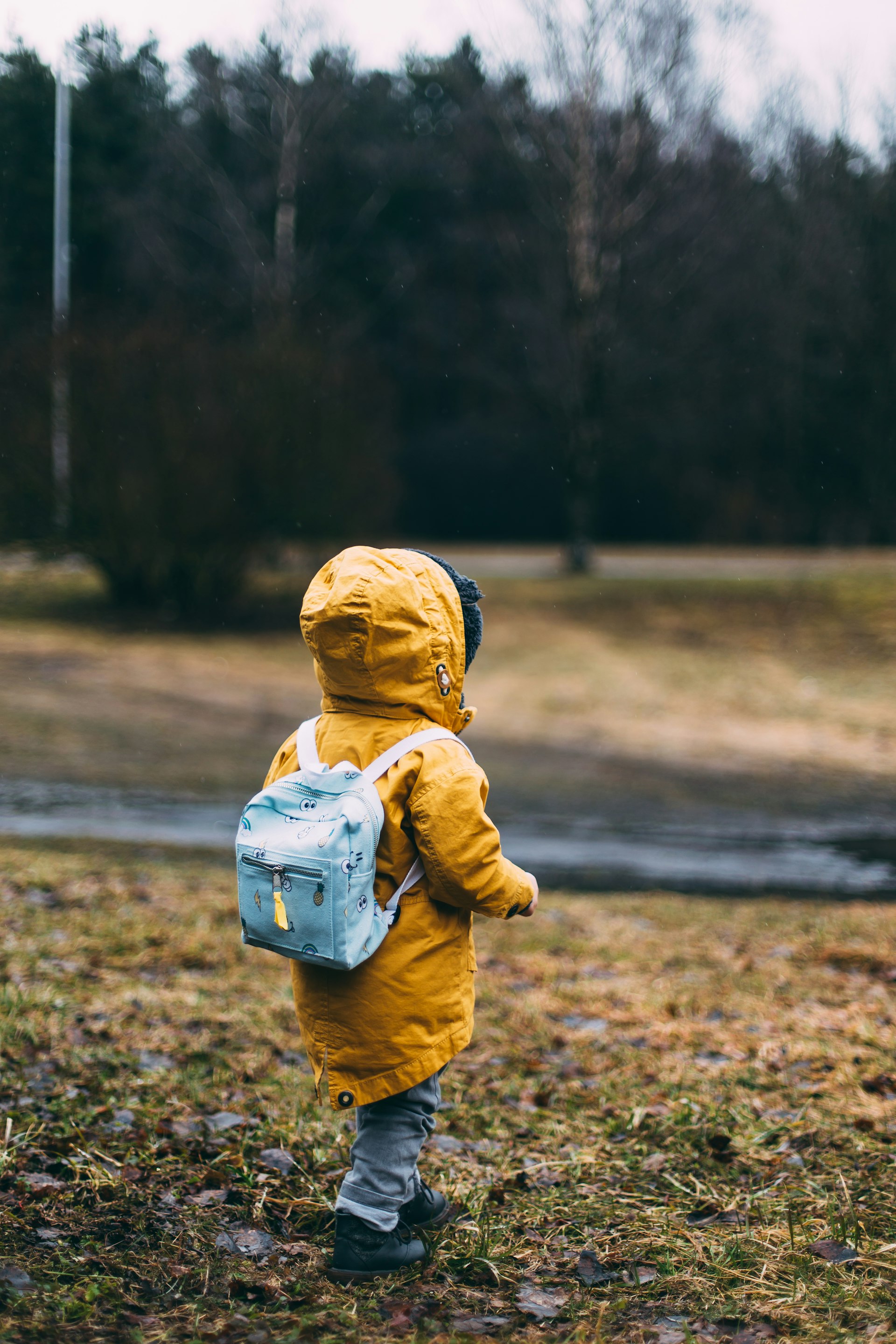
The Children's Place Review: Almost Nothing Sells at Full Price - and Check the Drawstrings
Back to Articles
Guides11 min readAugust 11, 2026

The Children's Place Review: Almost Nothing Sells at Full Price - and Check the Drawstrings

The Children's Place runs near-permanent discounting with free shipping over $30 and stacking codes. Treat the list price as fiction - and check drawstrings, sleepwear labels and small parts before buying.

By Med Consumer Watch Team
The Children's Place sells children's clothing — everyday basics, school uniforms, back-to-school ranges and graphic tees — at value pricing. Verified from its own site, August 12, 2026: free shipping on orders over $30, or ship to store and save 10%; free shipping with no minimum on in-app purchases with a code; an "EXTRA20" code applying a further 20% off displayed prices; graphic tees at $3 each when you buy ten or more; a loyalty points programme with double and triple points promotions; and displayed prices largely in the $17 to $35 range before the extra code. The most useful thing to understand about this retailer is that almost nothing sells at its list price. The site simultaneously displays a marked price, a further code discount, a shipping threshold, an app-only shipping offer and a points multiplier. That is not deceptive — it is all disclosed — but it does mean the "price" of an item is whatever combination of offers is running the day you buy. Practically: never buy without applying a code, and never pay shipping. A $34.95 item at 20% off is $27.96, and adding a second item clears the free shipping threshold. And because this is children's clothing, the section below covers the safety points that genuinely matter — drawstrings, sleepwear flammability rules and small parts — which apply to every retailer, not just this one. This review contains affiliate links and we may earn a commission if you buy through them. The assessment is our own. Informational only.

Children's clothing safety - the rules worth knowing

These are US regulatory and public-safety points that apply to any children's clothing you buy, second-hand items included — and second-hand is where the risk concentrates, because old stock predates the rules. Drawstrings at the neck and hood. This is the most serious one. Drawstrings in the hood or neck area of children's upper outerwear have caused strangulation deaths when they caught on playground equipment, bus doors and other hazards. The Consumer Product Safety Commission has treated garments with such drawstrings as a substantial product hazard, and voluntary standards call for their elimination in children's upper outerwear in the relevant size ranges. What to do practically: buy garments without neck or hood drawstrings; and if you already own one — an older item, a hand-me-down, a second-hand find — remove the drawstring entirely rather than knotting it. Waist and bottom drawstrings should not extend more than a few inches beyond the garment and should be sewn at the midpoint so they cannot be pulled out into a loop. Sleepwear flammability. This one confuses almost every parent, and the confusion is understandable. US regulations require children's sleepwear in sizes above 9 months to be either flame resistant or snug-fitting. Loose-fitting cotton pyjamas are not compliant sleepwear. Snug-fitting cotton sleepwear is legal precisely because a close-fitting garment does not trap the air that feeds a flame, and it carries a yellow hang tag saying it is not flame resistant and should be worn snug-fitting. Which is why "loose fitting" and "100% cotton" together on a garment sold for sleep is the combination to question. If you buy loose cotton clothing for bedtime, understand you are choosing something outside the sleepwear rules. Infant sizes 9 months and under are exempt because babies of that size are not mobile enough to reach ignition sources. Small parts and choking. Buttons, snaps, beads, sequins, appliqués and decorative items on clothing for young children are choking hazards if they detach. Check them when the garment arrives and again after washing, and pull firmly on anything decorative. The general rule is that anything small enough to fit through a toilet paper tube is a choking risk for a child under three. Button batteries — worth naming here because they appear in light-up shoes and novelty clothing. A swallowed button battery can burn through the oesophagus within two hours and is a life-threatening emergency. If you suspect a child has swallowed one, go to an emergency department immediately — do not wait for symptoms, do not induce vomiting. Check that any battery compartment on a garment or shoe is secured with a screw. Other practical points: Wash new clothes before wearing. Residual dyes and finishes can irritate skin, and formaldehyde-based wrinkle-resistant finishes are a known irritant for sensitive children. Fragrance-free detergent and no fabric softener for children with eczema. Check the CPSC recall list if you are unsure about an item, and register for recall alerts — clothing and children's products are recalled regularly. Cords on any garment near a sleeping area, and window blind cords generally, are a strangulation hazard worth reviewing at the same time.
  • Safety point | The rule | What to do
  • Neck and hood drawstrings | CPSC treats as a substantial hazard | Remove entirely from older garments
  • Waist drawstrings | Limited length, sewn at midpoint | Check they cannot be pulled into a loop
  • Sleepwear over 9 months | Must be flame resistant OR snug-fitting | Loose cotton pyjamas are not compliant sleepwear
  • Infant sleepwear to 9 months | Exempt | —
  • Buttons, beads, appliqués | Choking hazard under 3 | Tug-test on arrival and after washing
  • Button batteries in shoes or novelty items | Life-threatening if swallowed | Screw-secured compartment; ER immediately if swallowed
  • New clothes | Dyes and finishes irritate | Wash before first wear

Drawstrings at the neck or hood of children's upper outerwear have caused strangulation deaths and are treated by the CPSC as a substantial product hazard. If you own an older or second-hand garment with one, remove the drawstring entirely rather than knotting it. And a swallowed button battery - found in light-up shoes and novelty items - can burn through the oesophagus within two hours: go to an emergency department immediately.

Buying well - codes, sizing and school uniforms

On the pricing structure, which rewards a little patience. Stack what stacks. Check whether the site-wide percentage code applies on top of already-marked prices — on the pages we saw, an EXTRA20 code was showing reduced totals against already-discounted items. Try the code in the basket rather than assuming. Clear the free shipping threshold rather than paying shipping. $30 is low, and one extra basic is cheaper than a shipping fee. Ship to store if you have one nearby, which was advertised at a further 10% saving. Use the app if there is an app-only free shipping code, particularly on small orders. Bulk graphic tee offers — $3 each at ten or more — are genuinely cheap if you have several children or one child who destroys t-shirts. They are not cheap if you buy ten and use four. Never buy at full price. In value children's clothing generally, some promotion is nearly always running. If the item you want is not discounted this week, it very likely will be. On sizing, which is the main reason children's clothes get returned. Measure your child rather than relying on age. Age-based sizing varies enormously between brands and children. Height and chest or waist measurements against the retailer's chart are far more reliable. Buy up for outerwear and shoes, not for everything. A slightly large coat lasts two winters; slightly large trousers are a trip hazard for a toddler. Read reviews for fit comments. Whether a brand runs small or large is the single most useful thing other buyers report. Check the return policy before ordering multiple sizes, including whether in-store returns are accepted for online orders, which is usually the easiest route. Keep tags on until you have tried things, and do not wash until you are sure. On school uniforms specifically, since that is a focus here: Buy more than you think of the items that get worn daily. Polo shirts and trousers get washed constantly; two sets is not enough for a five-day week with one wash cycle. Check your school's exact requirements first — specific colours, whether logos are required, whether a particular style of trouser is mandated. Buy in the summer sales for the following year in the next size up, if you can predict growth. Label everything. The volume of unclaimed lost property in any school is a monument to unlabelled uniform. Check whether your school or district has a uniform assistance programme. Many do, and they are underused because families do not know they exist. And on durability, which is the real value question in cheap clothing. Value-priced children's clothing is not built for years of wear — but children outgrow clothes faster than they wear them out, so that is often the right trade. The exceptions are the items that take real punishment: coats, school shoes and trousers. Spending more on those and less on t-shirts is generally the efficient allocation. Consider second-hand for outerwear — coats are frequently outgrown before they are worn out, so the used market is genuinely good. Just apply the drawstring check above, because older garments predate the current standards.

Measure your child's height and chest or waist and buy from the retailer's chart rather than by age. Age-based sizing varies enormously between brands, and mis-sizing is the single biggest reason children's clothing gets returned.

Frequently asked questions

What are The Children's Place shipping terms? Free shipping on orders over $30, or ship to store for a further 10% saving. Free shipping with no minimum was also offered on in-app purchases with a code. Verified August 12, 2026. Do the discount codes stack with sale prices? On the pages we saw, an EXTRA20 code was showing reduced totals against already-marked prices. Try the code in the basket rather than assuming — that is the only reliable test. Should I ever pay full price? Rarely. In value children's clothing some promotion is nearly always running. If what you want is not discounted this week, it very likely will be. Is the bulk tee offer worth it? $3 each at ten or more is genuinely cheap if you have several children or one who destroys t-shirts. It is not cheap if you buy ten and use four. How do I get the size right? Measure height and chest or waist and use the retailer's chart. Age-based sizing varies enormously between brands. What is the rule about drawstrings? Drawstrings at the neck or hood of children's upper outerwear have caused strangulation deaths and the CPSC treats them as a substantial product hazard. Remove them entirely from any older or second-hand garment. Why are cotton pyjamas sold as "snug fitting"? US regulations require children's sleepwear above 9 months to be flame resistant or snug-fitting. Snug cotton sleepwear is legal because close-fitting fabric does not trap the air that feeds a flame — it carries a yellow tag saying so. Loose cotton pyjamas are not compliant sleepwear. Should I wash new clothes before wearing? Yes. Residual dyes and finishes can irritate skin, particularly for children with eczema — and use fragrance-free detergent without fabric softener for sensitive skin. What should I check on decorated clothing? Tug-test buttons, beads, sequins and appliqués on arrival and after washing. Anything small enough to fit through a toilet paper tube is a choking risk for a child under three. What about light-up shoes? Check the battery compartment is secured with a screw. A swallowed button battery can burn through the oesophagus within two hours — go to an emergency department immediately if you suspect one has been swallowed. Where should I spend more? Coats, school shoes and trousers, which take real punishment. Spend less on t-shirts, which get outgrown before they wear out.

The Bottom Line

Our rating: 7.5 / 10. Genuinely good value for growing children, sold through a pricing structure that requires you to play along. Almost nothing here sells at list price, and that is the practical thing to internalise. Free shipping over $30, an extra percentage code on top of marked prices, app-only free shipping, ship-to-store at a further 10%, and loyalty points multipliers all run at once. It is disclosed rather than deceptive, but it means the real price is whatever combination is live the day you buy. Never check out without trying a code in the basket, and never pay shipping — $30 is a low threshold and one extra basic beats a delivery fee. Spend where the wear happens. Value children's clothing is not built for years, but children outgrow clothes faster than they destroy them, so that is usually the right trade. The exceptions are coats, school shoes and trousers — spend more there and less on t-shirts. And bulk tee offers are only cheap if you use all ten. Measure rather than guessing at age sizing, which varies enormously between brands and is the main cause of returns. On school uniform: check your school's exact requirements first, buy more of the daily items than you think, label everything, and ask whether your school or district runs a uniform assistance programme — many do and they are underused. The safety points matter more than the price, and they apply everywhere. Drawstrings at the neck or hood of children's outerwear have caused strangulation deaths; remove them entirely from any older or second-hand garment. Children's sleepwear above 9 months must be flame resistant or snug-fitting, which is why snug cotton pyjamas carry a yellow tag — loose cotton pyjamas are not compliant sleepwear. Tug-test buttons and appliqués after washing. And check that any light-up shoe has a screw-secured battery compartment, because a swallowed button battery can burn through the oesophagus within two hours. Wash new clothes before first wear, and use fragrance-free detergent for children with eczema. Check current offers at The Children's Place Informational only. Prices, codes and shipping terms verified August 12, 2026 and change frequently; confirm at checkout. Children's product safety standards described are US requirements - check the CPSC recall list and register for alerts. Seek emergency care immediately for a suspected swallowed button battery.

Medical Disclaimer

This article is for informational purposes only and is not intended as medical advice. Always consult with a qualified healthcare provider before making decisions about your health or medications. Individual experiences may vary.

Enter to Win a $1,788 CoreAge Rx Gift Card

Enter for a chance to use it toward eligible CoreAge Rx products and services.

The gift card may be applied toward eligible CoreAge Rx products and services. Prescription products additionally require completing the intake process and evaluation by a licensed healthcare provider, who alone decides eligibility and treatment. Winning does not guarantee that you will qualify for a GLP-1 medication or any other prescription treatment.

No purchase necessary. Prescription products require provider evaluation and approval. See Official Rules. Official Rules · Gift Card Terms · Privacy Policy · Terms