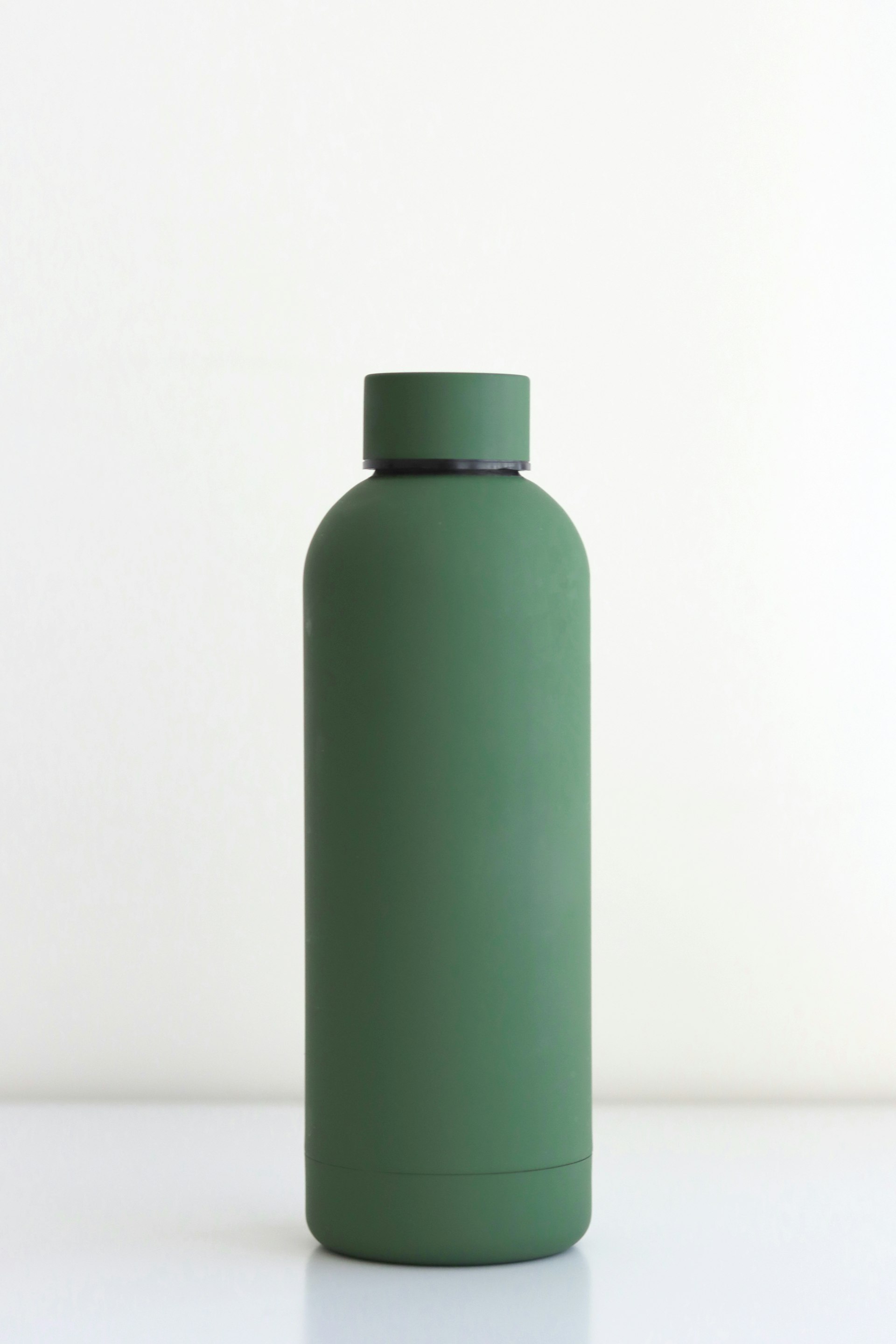
Hydro Flask Review: The Warranty Is the Product, and the Lid Is Where the Mould Lives
Back to Articles
Guides11 min readAugust 11, 2026

Hydro Flask Review: The Warranty Is the Product, and the Lid Is Where the Mould Lives

Hydro Flask sells vacuum-insulated stainless bottles, tumblers and lunch gear with free shipping over $49 and a Hydro Flask Promise warranty. The warranty is the reason to buy one; the lid is the reason people get ill.

By Med Consumer Watch Team
Hydro Flask makes double-wall vacuum-insulated stainless steel bottles, tumblers, coffee and food containers, and a Carryout lunch range, alongside accessories and lids. Verified terms: free shipping on orders over $49, prices seen from around $79.95 to $149.95 at the upper end of the range, a loyalty rewards programme, a refer-a-friend scheme, and a warranty — the company's Hydro Flask Promise — with region-specific terms. The warranty is genuinely the argument for buying one. A $45 bottle that is replaced when the insulation fails is a different proposition from a $15 bottle that is not. The part nobody covers is the part that affects your health. A reusable bottle is a warm, damp, sugar-exposed container that you put your mouth on several times a day. The bottle body is easy to clean. The lid, the gasket and the straw are where the problem lives, and this review spends real time there because it is the difference between a good purchase and a bad habit. This review contains affiliate links and we may earn a commission if you buy through them. The assessment is our own. Site terms verified August 11, 2026; warranty terms vary by region and product — check the one that applies to you.

Cleaning: the section that actually matters

This applies to every reusable bottle. It is the most useful thing in this review. What grows, and where. Bacteria and mould need moisture, warmth and something to eat. A bottle provides all three, and the parts that are hardest to reach are the parts that stay wettest: the lid's inner threads, the silicone gasket, the straw and its valve, and the spout channel. Black or pink deposits in a gasket groove are biofilm, and they will not come out with a rinse. The routine that works: Daily: empty and rinse with hot water. Then leave it apart and upright to dry completely — cap off, straw out. A bottle stored assembled and damp is an incubator. This single habit does more than any cleaning product. Weekly: dismantle fully. Every removable piece — gasket out of the lid, straw apart if it separates. Wash with hot soapy water and a bottle brush; use a narrow straw brush for straws and a small brush or cotton bud for the gasket groove. Monthly or when it smells: soak the parts in a solution of warm water with either white vinegar or bicarbonate of soda for a few hours, then scrub and rinse thoroughly. Replace gaskets and straws. They are consumables. A gasket with staining you cannot remove should be replaced, not scrubbed harder. The three rules that matter most: Only water in an insulated bottle, unless you clean it the same day. Juice, squash, sports drinks, coffee with milk and protein shakes all leave residue that feeds growth. If you use it for anything but water, wash it that day — not tomorrow. Do not put a vacuum-insulated bottle in the dishwasher unless the manufacturer says it is dishwasher safe. Heat can damage the vacuum seal, which is the entire product. Check the specific model. Never leave it sealed with liquid in a hot car for days. That is the scenario that produces the growth people find alarming. On the smell that will not go. If a bottle retains an odour after a full dismantle and soak, the gasket is usually the culprit. Replace it. They are cheap and readily available.
  • Part | Risk | What to do
  • Bottle body | Low - easy to reach | Bottle brush weekly
  • Lid threads and inner cap | High - stays wet, hard to reach | Dismantle and scrub weekly
  • Silicone gasket | Highest - biofilm collects in the groove | Remove it; replace if stained
  • Straw and valve | High | Narrow straw brush; replace periodically
  • Anything but water | Feeds growth | Wash the same day
  • Dishwasher | May damage the vacuum seal | Check the specific model first

Do not leave a reusable bottle assembled and damp. Store it disassembled and fully dry, wash the lid, gasket and straw separately every week, and clean it the same day if you have used it for anything other than water. Visible black or pink deposits in a gasket groove are biofilm and need dismantling and scrubbing, not rinsing.

The warranty, and why it changes the price comparison

Hydro Flask's warranty programme — the Hydro Flask Promise — is the reason the price is defensible, and it is worth understanding what such warranties typically cover. What a bottle warranty of this kind generally covers: manufacturing defects, and loss of insulating performance — the vacuum seal failing, which is the actual failure mode of a double-wall bottle. When a vacuum bottle stops keeping drinks cold, it is functionally dead, and that is the failure a warranty should address. What it generally does not cover: dents from being dropped, cosmetic wear, scratched paint, normal deterioration of gaskets and straws (which are consumables), and damage from misuse such as dishwashing a bottle that is not dishwasher safe. Terms vary by region and product. The company runs a region selector for warranty terms, and hydration, tumbler, coffee, food and accessory products are treated as separate categories. Read the terms for the product and region that apply to you rather than assuming a single lifetime figure. What to do to keep the warranty usable: Keep your proof of purchase. Most warranties require it. A photograph of the receipt in a folder on your phone takes ten seconds. Register the product if registration is offered. Buy from an authorised retailer. Warranties on branded drinkware commonly do not apply to product bought through unauthorised marketplace sellers — and drinkware is a heavily counterfeited category. How the maths works. A $45 insulated bottle that lasts ten years because insulation failure is covered costs $4.50 a year. A $15 bottle replaced every two years costs $7.50 a year — and you have thrown away five bottles. The premium bottle is usually the cheaper and the lower-waste option, provided you keep it and do not lose it. If you lose water bottles regularly, buy the cheap one; no warranty covers leaving it on a train.

Photograph your receipt and store it somewhere you will find it in five years. Insulation failure on a vacuum bottle typically shows up years in, and proof of purchase is what stands between a covered claim and buying a new bottle.

Materials, lead, and reading the claims properly

Insulated drinkware attracted a lot of attention on materials safety, and it is worth setting out what the actual questions are. The bottle body. Quality insulated bottles use 18/8 stainless steel — 18% chromium, 8% nickel — which is food-grade, corrosion resistant and does not leach in normal use. This is the same material as good cookware and cutlery and is not a concern. Lids and gaskets are usually plastic and silicone. Look for a stated BPA-free claim, and note that "BPA-free" does not mean "no plastic" — replacement bisphenols exist and are less studied. In practice, the greater everyday risk from a lid is microbiological, not chemical. The lead question, stated accurately. Some vacuum-insulated bottles use a small lead-containing sealing dot at the base, sealing the vacuum chamber, covered by a layer of stainless steel. Manufacturers using this method state it is fully enclosed and not accessible to the user or the contents. The industry-wide point is: if the covering layer is intact, there is no exposure route; if a bottle's base cover is damaged and the seal exposed, stop using it. What to do rather than speculate: ask the manufacturer directly whether its sealing method uses lead, and check the base of any insulated bottle for damage. Several brands publish an explicit statement on this. A company that answers the question clearly is telling you something useful. On counterfeits, which is the underrated risk. Popular insulated drinkware is heavily counterfeited, and counterfeit bottles are made without any of the material controls the genuine product has. This is the single strongest practical reason to buy from the brand or an authorised retailer rather than the cheapest marketplace listing — and it is also what preserves your warranty. On the environmental case: a reusable bottle only beats single-use plastic if you actually use it repeatedly. The break-even is dozens of uses, not a handful. The bottle in the cupboard is worse than no bottle at all.

Buy insulated drinkware from the brand or an authorised retailer. Popular bottles are heavily counterfeited, counterfeits are made without material controls, and warranties generally do not apply to product bought through unauthorised sellers. Check the base cover of any insulated bottle for damage and stop using it if the seal beneath is exposed.

Frequently asked questions

How much does Hydro Flask cost? The range spans widely; we saw prices up to $149.95 for larger and bundled items. Free shipping applies on orders over $49. What does the warranty cover? Hydro Flask products are covered by the Hydro Flask Promise, with terms varying by region and product category. Insulation failure and manufacturing defects are the typical covered failures; drops, cosmetic wear and consumable parts generally are not. Check the terms for your region and product. Do I need proof of purchase? Assume yes, and keep it. Buy from the brand or an authorised retailer. Is it dishwasher safe? Check the specific model. Dishwasher heat can damage a vacuum seal, which is the functional core of the product. How often should I clean it? Rinse and fully dry disassembled daily; dismantle and scrub the lid, gasket and straw weekly; deep soak monthly or whenever it smells. Why does my bottle smell? Almost always the gasket. Remove it, scrub the groove, and replace it if staining will not come out. Can I put juice or coffee in it? Yes, but wash it the same day. Anything other than water leaves residue that feeds bacterial and mould growth. Is stainless steel safe? 18/8 stainless is food-grade and does not leach in normal use. Do insulated bottles contain lead? Some vacuum-insulated bottles use a lead-containing sealing dot at the base, enclosed under stainless steel. Ask the manufacturer directly about its sealing method, and stop using any bottle whose base cover is damaged. Is a premium bottle worth it? If you keep it. A $45 bottle over ten years costs less per year than a $15 bottle replaced every two - unless you lose bottles regularly, in which case buy cheap.

The Bottom Line

Our rating: 8 / 10. A well-made product whose warranty carries the price, sold to people who mostly will not clean it properly. The case for buying one is sound. 18/8 stainless construction, genuine double-wall vacuum insulation, a broad range extending into tumblers, coffee and the Carryout lunch line, free shipping over $49, a loyalty programme, and the Hydro Flask Promise warranty. Insulation failure is the real failure mode of a vacuum bottle, and a warranty that addresses it turns a $45 purchase into a decade of use — cheaper per year, and far less waste, than replacing cheap bottles. Keep the receipt and buy from an authorised retailer, because drinkware is heavily counterfeited and unauthorised purchases generally void warranty cover. The reservation is not about the product. It is that the health question with any reusable bottle is microbiological, and it lives in the lid. The gasket groove, the lid threads and the straw stay wet, are hard to reach, and are where biofilm forms. Store it disassembled and dry, dismantle and scrub weekly, replace gaskets and straws as consumables, and wash it the same day if you put anything other than water in it. That routine is what separates a good bottle from a bad habit. On materials: stainless is not a concern in normal use. On the lead sealing question, ask the manufacturer directly what its sealing method is and check your bottle's base cover for damage — a clear published answer is a good sign in itself. Buy it if you will keep it and clean it. Buy a cheap one if you lose bottles — no warranty covers leaving it on a train. Check Hydro Flask's current range and warranty terms Informational only. Prices and shipping thresholds verified as published August 11, 2026 and subject to change; warranty terms vary by region and product category and were not fully verifiable - check the terms applicable to your region and product before relying on them. Clean reusable drinkware thoroughly and store it dry and disassembled; inadequately cleaned bottles can harbour bacteria and mould. Buy from authorised retailers - counterfeit drinkware is common and is made without material controls.

Medical Disclaimer

This article is for informational purposes only and is not intended as medical advice. Always consult with a qualified healthcare provider before making decisions about your health or medications. Individual experiences may vary.

Enter to Win a $1,788 CoreAge Rx Gift Card

Enter for a chance to use it toward eligible CoreAge Rx products and services.

The gift card may be applied toward eligible CoreAge Rx products and services. Prescription products additionally require completing the intake process and evaluation by a licensed healthcare provider, who alone decides eligibility and treatment. Winning does not guarantee that you will qualify for a GLP-1 medication or any other prescription treatment.

No purchase necessary. Prescription products require provider evaluation and approval. See Official Rules. Official Rules · Gift Card Terms · Privacy Policy · Terms