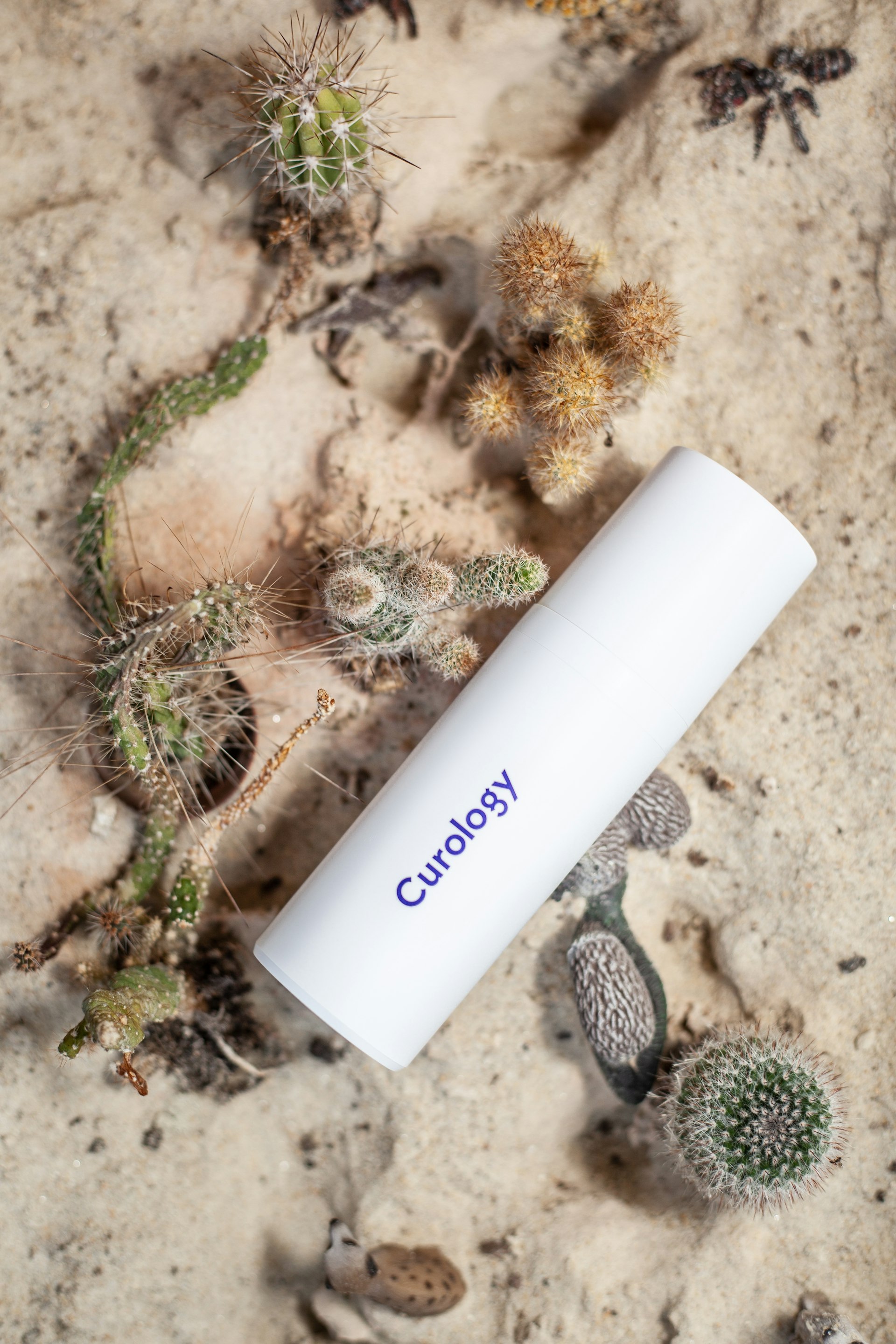
Kopari Review: Sunscreen Is the Right Thing to Sell - and Spray Is the Format Most People Get Wrong
Kopari Beauty sells coconut-derived skincare now led by a broad sunscreen range in spray, stick, gel and fluid formats, from $38 with free shipping over $39. Sunscreen is the right product to lead with; application is where people lose the protection.
By Med Consumer Watch Team
Kopari Beauty is a coconut-derived beauty brand whose range now leads with sunscreen — organised by area (face and lip, body) and by application format (spray, gels and creams, stick, fluid) — alongside body cleansers, deodorant, exfoliators, moisturisers, treatments, face care and the Paradiso fragrance line in scents including coconut cream, vanilla breeze, watermelon sugar, peach sky and cotton candy skies.
Verified terms:free US shipping on $39+ orders, prices on the pages we saw at $38, $39, $44, $59, $125 and $169, subscriptions, sets and a store locator.
Leading with sunscreen is the right commercial and health decision, and it deserves saying: daily broad-spectrum sunscreen is the highest-value product in skincare by a wide margin. Photoaging accounts for most visible skin ageing, and sun protection reduces skin cancer risk — which is a considerably better reason to buy it than the cosmetic one.The problem with sunscreen is not the product. It is the amount people apply, and spray formats — which this range emphasises — are where under-application is most severe.This review contains affiliate links and we may earn a commission if you buy through them. The assessment is our own. Site details verified August 12, 2026. Informational only — not medical advice.
How much sunscreen you actually need, and why spray misleads
This section is worth more than any brand comparison, because the SPF on the bottle assumes an application rate almost nobody achieves.How SPF is tested. Laboratory testing applies 2 milligrams of sunscreen per square centimetre of skin.That is the density behind the number on the label.What that means in practice. For a full adult body, roughly one ounce — about a shot glass — per application. For the face and neck alone, about a teaspoon, or the widely used "two-finger rule": two lines of sunscreen along the length of your index and middle fingers.
What people actually apply. Studies consistently find a quarter to a half of the tested amount.And the relationship is not linear in your favour — applying half the required amount does not give you half the SPF. It gives you substantially less than half, which is why people who "wear SPF 50" still burn.
Why spray is the worst offender, and this is the practical point for this range:
You cannot see how much you have applied. With a lotion you can see the film; with a spray you cannot.
Much of it never lands.Wind carries a significant proportion away, particularly at the beach, which is exactly where spray is most used.
People spray too briefly. The guidance is to spray until the skin glistens — which takes far longer than most people spend — and then rub it in, which most people skip entirely. Spraying without rubbing leaves streaks and gaps.Never spray directly on the face.Spray into your hands and apply, to avoid inhaling it — this applies especially to children.
The formats, honestly compared:Gels and creams are the most reliable for getting an adequate dose, because you can see the coverage.
Sticks are excellent for face, ears, nose and around the eyes, and for reapplication over makeup — but you need far more passes than feels natural.Four passes back and forth over each area is the usual guidance.
Fluids are typically lighter facial formulations, cosmetically elegant and easy to apply properly.
Sprays are convenient for reapplication over already-protected skin and for hard-to-reach areas — and are the least reliable for a first application.Reapply every two hours, and immediately after swimming, towelling or heavy sweating."Water resistant" is 40 or 80 minutes in the water, tested — it is not waterproof, and the FDA does not permit "waterproof" or "sweatproof" claims.
And the places everyone misses: ears, the back of the neck, the tops of the feet, the hairline and parting, the lips (use an SPF lip balm), and the backs of the hands.
Format | Dose reliability | Best use
Gels and creams | Highest - you can see the film | First application, body
Stick | Moderate - needs many passes | Face, ears, nose, over makeup
Fluid | Good | Face, daily wear under makeup
Spray | Lowest - wind loss, invisible coverage | Reapplication and hard-to-reach areas
How much for a body | ~1 oz, a shot glass | Per application
How much for face and neck | ~1 teaspoon, or the two-finger rule | Per application
Do not spray sunscreen directly onto the face - spray into your hands and apply, to avoid inhalation. Sprays must be applied until the skin glistens and then rubbed in, or coverage is patchy. SPF ratings assume an application density most people never reach, and applying half the tested amount gives substantially less than half the protection.
Mineral, chemical, and what 'reef-safe' does and does not mean
Three claims dominate sunscreen marketing and all three are more complicated than the label suggests.Mineral versus chemical filters.Mineral (physical) filters are zinc oxide and titanium dioxide.These are the only two sunscreen active ingredients FDA has proposed as generally recognised as safe and effective (Category I). They work immediately on application, are generally better tolerated by sensitive and rosacea-prone skin, and historically left a white cast — modern formulations have improved this considerably but it remains a real consideration for deeper skin tones.Chemical (organic) filters — avobenzone, octinoxate, octisalate, homosalate, oxybenzone and others — are widely used, effective, and FDA has requested additional safety data on several of them. That request is a data gap, not a finding of harm, and FDA's consistent position is that people should continue using sunscreen.Practically: the best sunscreen is the one you will apply properly and often.A chemical formulation you wear daily protects you far better than a mineral one you avoid because of the cast."Reef-safe" has no regulatory definition.It is an unregulated marketing term. What it usually refers to is the absence of oxybenzone and octinoxate, which Hawaii and Key West have banned in sunscreen sales on the basis of coral reef concerns. The underlying science is contested and the bans are policy decisions rather than settled findings.What to do with that: if you are swimming in sensitive marine environments, a mineral sunscreen with non-nano zinc oxide is the conservative choice, and covering up with a rash guard reduces how much sunscreen enters the water at all. Do not treat "reef-safe" on a label as verified.On benzene, which people ask about.Independent testing in 2021 found benzene contamination in a number of aerosol sunscreen and personal care products, leading to recalls.Benzene is not a sunscreen ingredient — it was a contaminant, associated with aerosol propellants and manufacturing.The practical response is not to avoid sunscreen, which would be far worse for you, but to note that non-aerosol formats sidestep the issue entirely and to check for current recalls if you use aerosols.
And a note on SPF numbers.SPF 30 blocks roughly 97% of UVB; SPF 50 roughly 98%.The jump above 50 is marginal, and the practical difference between them is dwarfed by whether you applied enough and reapplied. "Broad spectrum" is the label term that matters — it means UVA protection as well as UVB, and UVA is what drives photoaging.
"Reef-safe" is an unregulated marketing term with no legal definition. Hawaii and Key West have banned sunscreen sales containing oxybenzone and octinoxate, but a label claim is not verified by anyone. If marine impact concerns you, choose a mineral sunscreen with non-nano zinc oxide and cover up with a rash guard.
The rest of the range, and the deodorant question
Beyond sunscreen, this is a conventional body and face care range with a coconut-derived and fragrance-forward identity.Body: cleansers, deodorant, exfoliators, moisturisers, treatments. Face: cleansers, eye, lip, moisturisers, treatments. Fragrance: the Paradiso line in a set of sweet, tropical scents.
On coconut oil, since it is the brand's founding ingredient.It is a genuinely good occlusive moisturiser — it forms a barrier that reduces water loss, and it feels pleasant. Two honest caveats: it is comedogenic for many people, meaning it can clog pores and is a poor choice on acne-prone facial skin; and there is no evidence it does anything special beyond being a good emollient.On the body, it is excellent. On acne-prone faces, be careful.On the deodorant, which is the category people ask most about.Aluminium-free deodorant is a deodorant, not an antiperspirant.This is the distinction that causes most disappointment.Aluminium salts are the only widely available antiperspirant active — they temporarily block sweat ducts and reduce wetness. Remove them and you have a product that addresses odour, not sweat. If your problem is wetness, aluminium-free will not solve it.
On aluminium safety:the concerns linking antiperspirants to breast cancer and Alzheimer's disease have been examined and are not supported by the evidence. Major cancer organisations have addressed this directly. Choosing aluminium-free is a legitimate preference; it is not a safety necessity.The switching period is real. People moving from antiperspirant to deodorant frequently report a few weeks of increased odour while the skin microbiome adjusts. This is common and usually settles.Baking soda is a frequent irritant in natural deodorants. If you react, look for a baking-soda-free formulation — that is the usual culprit rather than the brand.
On fragrance generally.Fragrance and essential oils are among the most common causes of cosmetic contact dermatitis. A fragrance-forward range is a pleasure for most people and a poor fit if you have sensitive skin, eczema or rosacea.Patch test on the inner forearm for several days. Note also that some citrus oils are phototoxic and can cause reactions in sunlight — worth knowing on a brand that pairs fragrance with sun exposure.
Commercially:free US shipping over $39 is a low threshold at these price points, sets and a build-your-own minis option make trial easy, and subscriptions suit consumables like sunscreen and body wash more than treatments. Confirm the return policy for opened products, which is the term that matters when you cannot know whether something suits your skin without using it.
If your problem is wetness rather than smell, an aluminium-free deodorant will not fix it - only antiperspirant actives reduce sweat. And if a natural deodorant irritates you, baking soda is the usual cause; look for a baking-soda-free formulation before abandoning the category.
Frequently asked questions
How much does Kopari cost?
Prices on the pages we saw ranged from $38 to $169, with free US shipping on orders over $39.
How much sunscreen should I apply?
About an ounce — a shot glass — for a full adult body, and about a teaspoon for face and neck, or the two-finger rule. SPF ratings assume that density.
Is spray sunscreen as good as lotion?
Not for a first application. You cannot see coverage, wind carries much of it away, and most people spray too briefly. Spray until the skin glistens and then rub it in, and never spray directly on the face.
How often should I reapply?
Every two hours, and immediately after swimming, towelling or heavy sweating. "Water resistant" means 40 or 80 minutes tested — nothing is waterproof.
Is mineral sunscreen safer than chemical?
Zinc oxide and titanium dioxide are the only actives FDA has proposed as generally recognised as safe and effective. FDA has requested more data on several chemical filters — a data gap, not a finding of harm — and continues to advise using sunscreen. The best one is the one you apply properly.
Does "reef-safe" mean anything?
It is unregulated. It usually indicates the absence of oxybenzone and octinoxate, which Hawaii and Key West have banned in sunscreen sales.
What SPF should I use?
At least 30, broad spectrum. SPF 30 blocks about 97% of UVB and SPF 50 about 98% — application matters far more than the number.
Is aluminium-free deodorant better?
It is a preference, not a safety necessity — the cancer and Alzheimer's concerns are not supported by evidence. Note it addresses odour, not wetness.
Is coconut oil good for skin?
A good occlusive moisturiser for the body. It is comedogenic for many people and a poor choice on acne-prone facial skin.
Which areas do people miss?
Ears, back of the neck, tops of feet, hairline and parting, lips and backs of hands.
The Bottom Line
Our rating: 7.5 / 10. A pleasant brand leading with the right product, in a format that requires the most user discipline.
Leading with sunscreen deserves credit.Daily broad-spectrum sunscreen is the single highest-value product in skincare — photoaging drives most visible skin ageing, and sun protection reduces skin cancer risk, which is a far better reason to use it than the cosmetic one. Offering it in gel, cream, stick, fluid and spray, split by face and body, is a genuinely useful structure, because format determines whether people actually apply it.But format also determines whether they apply enough, and this is where the review's warning sits.SPF is tested at 2 mg per square centimetre — roughly an ounce for a body, a teaspoon for face and neck — and studies consistently find people apply a quarter to a half of that. Sprays are the worst case: coverage is invisible, wind carries much of it away, and most people spray too briefly and skip rubbing it in. Use gels or creams for a first application and sprays for reapplication, spray until the skin glistens, rub it in, and never spray directly onto the face.Two claims to read carefully."Reef-safe" is unregulated and unverified — if marine impact concerns you, choose non-nano zinc oxide and wear a rash guard. And on the deodorant, aluminium-free means deodorant rather than antiperspirant: it addresses odour, not wetness, and the aluminium safety concerns are not supported by the evidence.
On the rest of the range: coconut oil is a genuinely good body emollient and comedogenic on many acne-prone faces. The fragrance-forward identity is a pleasure for most people and a poor fit for sensitive, eczema-prone or rosacea-prone skin — patch test first.
Buy the sunscreen. Apply more of it than feels necessary. Reapply every two hours.Check Kopari's current sunscreen range and pricingInformational only, not medical advice. Prices and shipping thresholds verified August 12, 2026 and subject to change. Sunscreen protection depends on applying the tested density and reapplying at least every two hours and after swimming or sweating; no sunscreen is waterproof or sweatproof. "Reef-safe" is an unregulated marketing term. Cosmetics are not subject to FDA pre-market approval - patch test new products and discontinue if irritation occurs. Have any new, changing or irregular skin lesion assessed by a clinician.
This article is for informational purposes only and is not intended as medical advice. Always consult with a qualified healthcare provider before making decisions about your health or medications. Individual experiences may vary.
Enter for a chance to use it toward eligible CoreAge Rx products and services.
The gift card may be applied toward eligible CoreAge Rx products and services. Prescription products additionally require completing the intake process and evaluation by a licensed healthcare provider, who alone decides eligibility and treatment. Winning does not guarantee that you will qualify for a GLP-1 medication or any other prescription treatment.