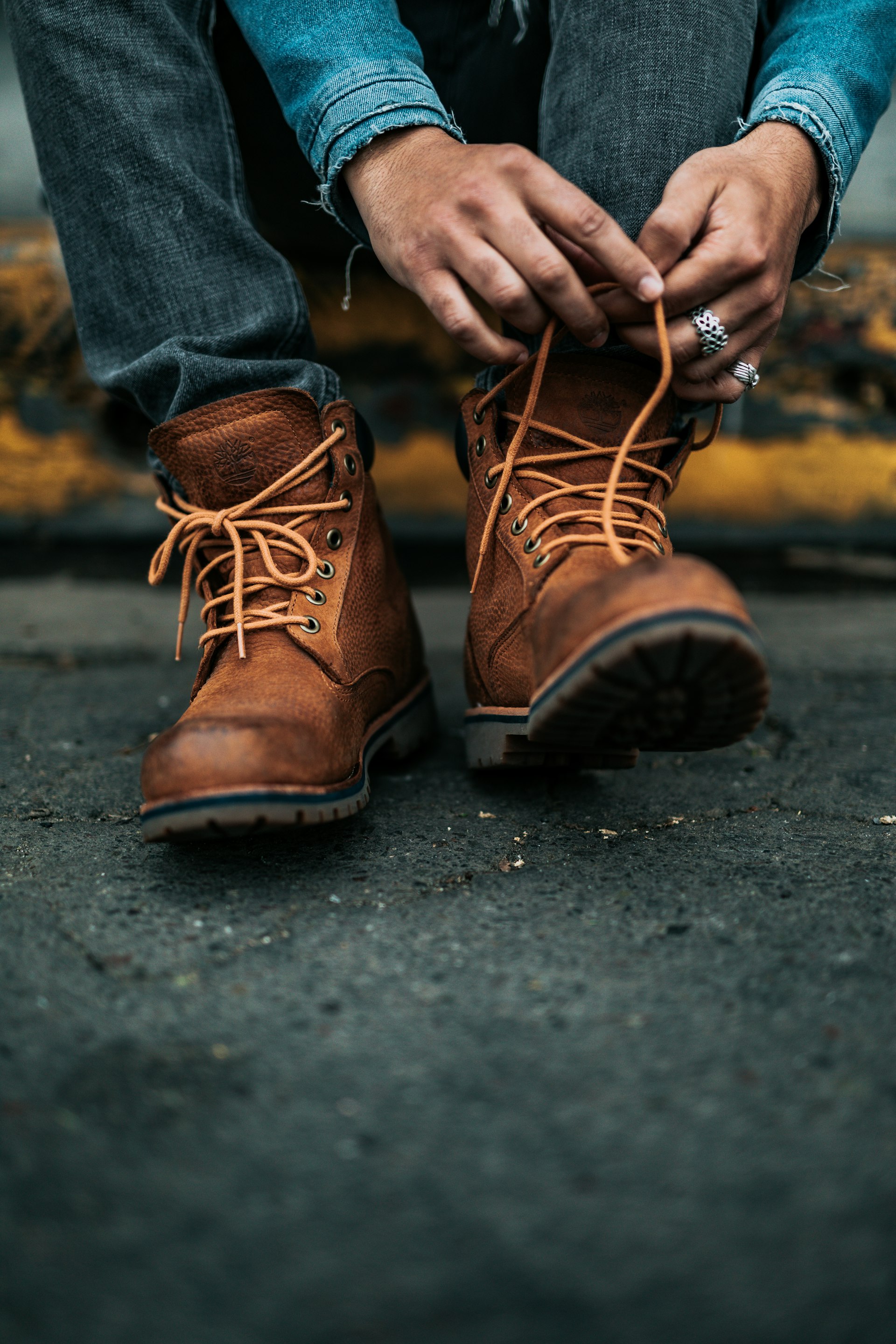
Muck Boot Review: Free Shipping and Returns Over $75 - and a One-Year Warranty on $120 Boots
Back to Articles
Guides11 min readAugust 11, 2026

Muck Boot Review: Free Shipping and Returns Over $75 - and a One-Year Warranty on $120 Boots

Muck Boot sells waterproof neoprene boots from $105 to $135 with free shipping and returns over $75, 1-3 business day dispatch and a limited 1-year warranty. Storage and care determine lifespan more than price.

By Med Consumer Watch Team
Muck Boot makes waterproof neoprene and rubber boots, organised by activity — hunt and sport, farm and ranch, work and safety, lawn and garden, cold and snow, and lifestyle — with a new Xplorer range and a broad rain boot line. Verified terms: free shipping and returns on orders over $75, ships in 1-3 business days, and a limited 1-year warranty. Prices cluster at $105, $110, $115, $120 and $135. Free returns is the term that matters most for bootsfit is unpredictable across brands and you cannot judge a boot from a photograph. That makes ordering two sizes and returning one a genuinely low-risk strategy, which is how footwear should be bought online. The one-year warranty is worth flagging. On a $120 boot bought for farm, work or hunting use, twelve months is short — and it is the term to read carefully, because what it covers and what it calls "wear" is where these claims are decided. But the honest finding on this category is that most boots die of storage and care rather than defect — and the section on neoprene explains why. This review contains affiliate links and we may earn a commission if you buy through them. The assessment is our own. Site details verified August 12, 2026; warranty specifics should be confirmed.

Why neoprene boots fail, and how to prevent it

Neoprene is a synthetic rubber, and it degrades in predictable ways that are almost entirely preventable. The three things that kill it: UV light. Sunlight degrades rubber and neoprene, causing surface hardening, chalking and eventually cracking. Boots left in a sunny porch, on a windowsill or in the back of a pickup are being slowly destroyed by light, and this is the commonest cause of "they cracked after one season". Heat. Never dry boots on a radiator, in front of a fire, in a hot car or with a heat gun. Heat hardens rubber and separates adhesives, and it is how the sole comes away from the upper. A boot dryer on a low, ambient or gentle-warm setting is fine; a heat source is not. Ozone. This one is genuinely obscure and worth knowing: ozone attacks rubber, and electric motors generate it. Storing boots next to a running freezer, furnace, water heater or workshop motor accelerates cracking for reasons owners never work out. So storage is the single biggest determinant of lifespan: cool, dark, dry, away from direct sun and away from electric motors. Not in a hot garage, not in a sunny mudroom. Cleaning and drying: Rinse mud off after use and let them dry naturally at room temperature. Dried mud draws moisture out of rubber and holds abrasive grit against flex points. Remove the insoles to dry — the inside is where they stay wet, and a boot that is never fully dry inside is a boot that smells and grows things. Newspaper or a boot dryer for the inside; never direct heat. Do not fold or crease them for storage. A permanent crease becomes a crack. Stand them upright or use boot shapers. On the neoprene lining itself. Neoprene provides the insulation and the flex, and it compresses over time with use — which is why an old pair feels less warm even before it leaks. That is normal wear rather than a fault, and it is the honest reason boots have a finite life even when well cared for. On leaks. The commonest leak point is where the rubber shell meets the neoprene upper, and at flex creases across the instep. A pinhole leak can sometimes be repaired with a suitable rubber adhesive or a purpose-made boot repair compound — worth trying before replacing a boot that is otherwise sound. And a note on fit and warmth. Rubber and neoprene boots are not breathable. Feet sweat, and damp feet get cold. A wicking sock liner under a wool sock outperforms a single thick cotton sock substantiallycotton holds moisture against the skin and is the wrong material for this entirely.
  • Cause of failure | Mechanism | Prevention
  • UV light | Hardens and cracks rubber | Store in the dark, not a sunny porch
  • Direct heat drying | Hardens rubber, separates sole adhesive | Ambient air or a low boot dryer only
  • Ozone from electric motors | Attacks rubber - little known | Do not store beside a freezer or furnace
  • Creasing in storage | A permanent crease becomes a crack | Stand upright or use shapers
  • Trapped internal moisture | Odour and degradation | Remove insoles to dry
  • Cotton socks | Hold sweat against the skin | Wicking liner plus wool

Never dry rubber or neoprene boots with direct heat - a radiator, fire, heat gun or hot car hardens the rubber and separates the adhesives holding the sole to the upper. Store them cool, dark and dry, away from direct sunlight and away from electric motors, which generate ozone that attacks rubber.

Sizing, safety standards and choosing the right boot

Fit determines comfort and comfort determines whether you wear them, and boots are harder to size than shoes. Size for the socks you will actually wear. A boot fitted in thin socks is too tight in winter socks, and a boot too tight is colder, not warmercompression restricts circulation and there is no insulating air layer. This is the most common winter footwear mistake. Practical fitting points: Try them on late in the day with your intended socks. Heel slip of a small amount is normal and expected in pull-on boots — a rubber boot is not a hiking boot and will never lock the heel the way a laced boot does. Check the calf circumference on tall boots. This is where returns come from — calf fit varies enormously between people and many ranges offer adjustable or wide-calf options. Toe room matters more in cold weather. Your toes should be able to wiggle. Use the free returns. Order two sizes if you are between, and send one back — the terms here make that costless above $75. On safety standards, which matter if these are work boots. If you need protective footwear for a job, the relevant US standard is ASTM F2413, covering impact and compression resistance for safety toes, plus optional ratings for metatarsal protection, electrical hazard (EH), static dissipative and puncture resistance. A boot without that marking is not safety footwear, however tough it looks. Check the label inside the boot for the ASTM designation, and check what your workplace actually requires — employers frequently specify a particular rating. Composite versus steel toe: composite is lighter, does not conduct cold, and does not set off metal detectors; steel is generally thinner for the same protection. Both meet the same standard when rated. Electrical hazard rating is not the same as insulation for live work — it is secondary protection against incidental contact, and it is degraded by wet conditions and wear. On choosing by activity, which is how the site is organised and which is genuinely sensible: Farm, ranch and lawn — prioritise easy on and off, easy cleaning, and mid-height. Cold and snow — prioritise insulation rating and a sole compound rated for low temperatures. Many rubber compounds stiffen and lose grip in severe cold, so a boot rated for it matters. Hunt — insulation plus scent considerations plus quiet materials. Work and safetythe ASTM rating first, everything else after. And the outsole is worth a thought. Deep, widely spaced lugs shed mud and grip soft ground; flatter, denser tread grips hard and wet surfaces better. A deep-lug agricultural sole is genuinely poor on wet concrete, which is a real slip risk if you move between a yard and a hard floor.

Fit boots wearing the socks you will actually use, and never size down for warmth. A tight boot compresses circulation and removes the insulating air layer, which makes your feet colder rather than warmer - the single most common winter footwear mistake.

The warranty, and what to expect from it

A limited 1-year warranty is the term to read carefully on a $105 to $135 boot. What warranties in this category typically cover: manufacturing defects — delamination of the sole from the upper, seam failure, or a leak present from new. What they typically exclude: normal wear, abrasion, punctures, cuts, damage from improper drying or storage, and chemical exposure. That last group covers most of the ways boots actually fail, which is why the storage and care section above matters more than the warranty does. What to confirm, since we could not verify the detail: What counts as a defect versus wear — particularly for a leak developing at a flex crease, which is the ambiguous case. Whether proof of purchase is required — assume yes, and photograph the receipt on the day. Whether the remedy is repair, replacement or credit, and who pays return shipping on a claim. Whether registration is needed. Whether buying from an unauthorised reseller voids it, which is standard. Is one year short? For a $120 boot in genuine daily farm or work use, yes — and it is worth knowing that going in rather than expecting more. For occasional garden or lifestyle use it is unremarkable. The honest framing: the warranty covers manufacturing failure in the first year, not a promise of longevity, and longevity here is mostly determined by how you store and dry them. On the commercial terms, which are good: free shipping and free returns over $75 is genuinely useful for footwear and makes the order-two-sizes approach costless. Ships in 1-3 business days is fast. Confirm the returns window and whether worn boots are accepted — for footwear, "tried on indoors" is usually fine and "worn in a field" is not. And the cost-per-year framing worth applying: a $120 boot that lasts five seasons is $24 a year. A $50 boot replaced annually is $50. The premium is defensible if the boot lasts — and whether it lasts is substantially in your hands, which is unusual and worth acting on. Store them out of the sun, never dry them with heat, and keep them away from the freezer motor, and you will get years rather than seasons.

Photograph your receipt on the day you buy work or outdoor boots. Warranty claims almost always require proof of purchase, a year is long enough to lose a paper receipt, and delamination of the sole from the upper - the classic covered defect - typically appears months in.

Frequently asked questions

What do Muck Boots cost? Prices cluster at $105, $110, $115, $120 and $135 across the range, with free shipping and returns on orders over $75 and dispatch in 1-3 business days. What is the warranty? A limited 1-year warranty. Confirm what counts as a defect versus wear, whether proof of purchase and registration are required, and who pays return shipping on a claim. Why do neoprene boots crack? UV light, direct heat drying and ozone from nearby electric motors. All three are preventable with storage: cool, dark, dry, away from sun and away from freezers and furnaces. How should I dry them? Ambient air or a low-setting boot dryer, with the insoles removed. Never a radiator, fire, heat gun or hot car — heat hardens rubber and separates sole adhesives. What socks should I wear? A wicking liner under a wool sock. Cotton holds sweat against the skin and makes feet colder. Should I size down for a snug fit? No. Size for the socks you will actually wear. A tight boot restricts circulation and removes the insulating air layer, making feet colder. How do I get the calf fit right? Check the stated calf circumference — this is the most common reason tall boots are returned. Many ranges offer adjustable or wide-calf options. Do I need a safety toe? Only if your work requires it. Look for the ASTM F2413 marking inside the boot, plus any additional rating your employer specifies. A tough-looking boot without that marking is not safety footwear. Can a leaking boot be repaired? Sometimes. A pinhole at a flex crease can respond to a suitable rubber adhesive or purpose-made boot repair compound, which is worth trying before replacing an otherwise sound boot. How long should they last? It depends heavily on storage and drying rather than price. Kept out of sunlight and dried without heat, several seasons; left in a sunny porch and dried on a radiator, one.

The Bottom Line

Our rating: 8 / 10. Good boots on good retail terms, in a category where how you store them matters more than what you paid. The commercial terms are genuinely strong. Free shipping and free returns over $75 is exactly what footwear needs, because fit is unpredictable across brands and no photograph tells you how a boot sits — it makes ordering two sizes and returning one a costless strategy, which is how boots should be bought online. Dispatch in 1-3 business days is fast, and activity-based navigation — farm, work and safety, cold and snow, lawn and garden — is the right way to organise a range where use case determines the right product. The one-year limited warranty is short for a $120 boot in daily working use, and worth understanding rather than assuming. It covers manufacturing failure — sole delamination, seam failure, a leak from new — and typically excludes wear, abrasion, punctures and damage from improper drying. That exclusion list covers most of the ways boots actually die, which is why the care advice matters more than the warranty. And that advice is unusually actionable, because lifespan here is substantially in your hands. Three things destroy neoprene and rubber: UV light, direct heat and ozone. Store them cool, dark and dry; never dry them on a radiator, in front of a fire or in a hot car — heat separates the sole from the upper; and do not store them beside a freezer or furnace, because electric motors generate ozone, which attacks rubber. That last one is obscure and it is real. Two fitting points: size for the socks you will actually wear — a tight boot is colder, not warmer — and check the calf circumference on tall boots, which is where most returns originate. If these are work boots, check for the ASTM F2413 marking inside, and check what your employer requires. A tough-looking boot without it is not safety footwear. Check Muck Boot's current range and terms Informational only. Prices and terms verified August 12, 2026 and subject to change; warranty coverage, exclusions and claim requirements should be confirmed directly. Protective footwear must carry the relevant ASTM F2413 marking to qualify as safety footwear - check the boot label and your employer's requirements. Never dry rubber or neoprene footwear with direct heat.

Medical Disclaimer

This article is for informational purposes only and is not intended as medical advice. Always consult with a qualified healthcare provider before making decisions about your health or medications. Individual experiences may vary.

Enter to Win a $1,788 CoreAge Rx Gift Card

Enter for a chance to use it toward eligible CoreAge Rx products and services.

The gift card may be applied toward eligible CoreAge Rx products and services. Prescription products additionally require completing the intake process and evaluation by a licensed healthcare provider, who alone decides eligibility and treatment. Winning does not guarantee that you will qualify for a GLP-1 medication or any other prescription treatment.

No purchase necessary. Prescription products require provider evaluation and approval. See Official Rules. Official Rules · Gift Card Terms · Privacy Policy · Terms