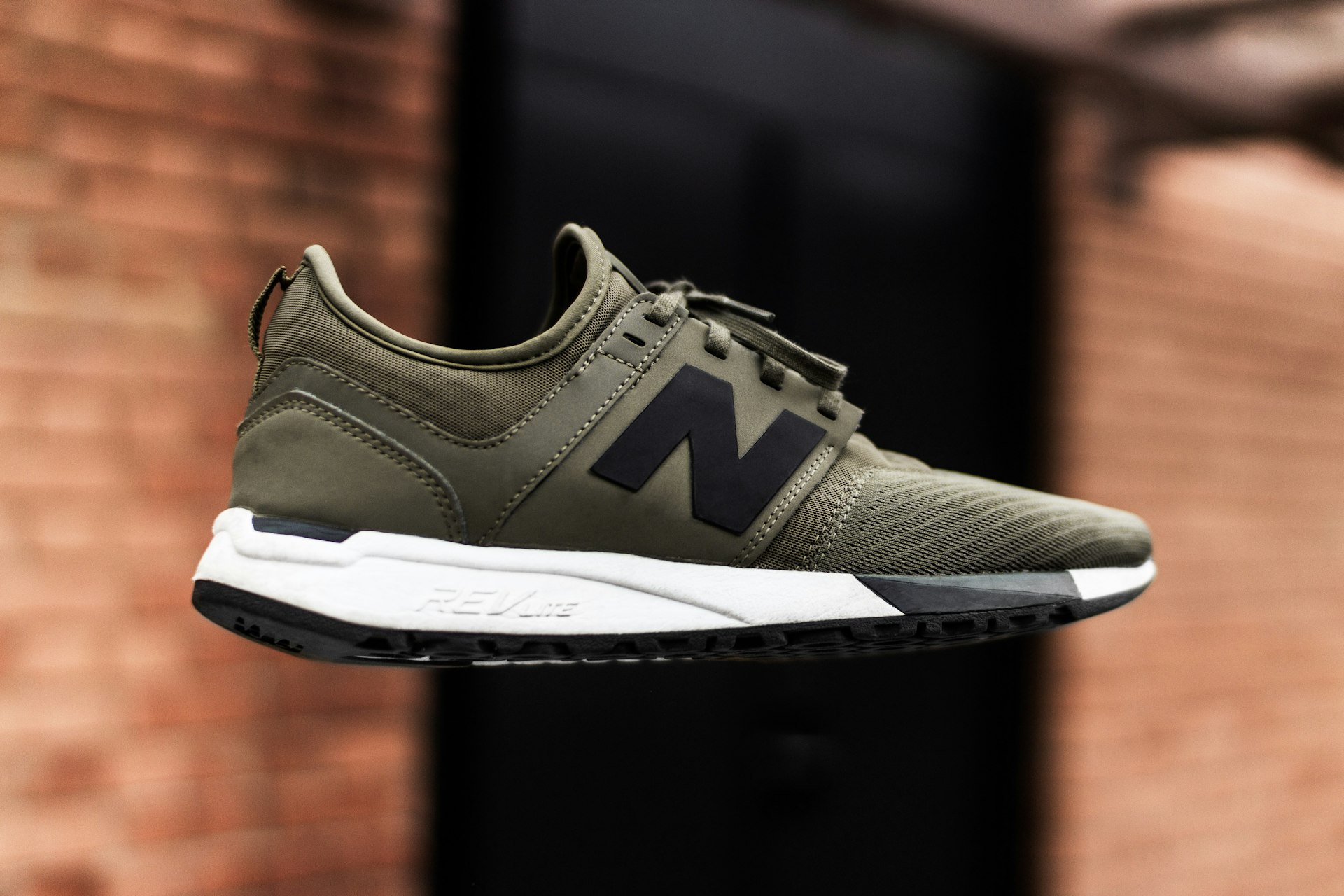
NOBULL Review: A Training Shoe Is Not a Running Shoe - and That Is the Point
NOBULL sells training shoes around $150 with free shipping over $99. A flat, stable trainer is genuinely better for lifting and worse for distance running - and switching to one needs a gradual transition.
By Med Consumer Watch Team
NOBULL makes training shoes, apparel and accessories — trainers, an Allday everyday line, apparel, bags and small goods.
Verified from its own site, August 13, 2026:free shipping on orders of $99 and over; shoes at around $150; accessories including a crossbody bag at $35 and shoelaces at $15; 30% off everyday apparel running at the time of checking; and Returns & Exchanges and Size Guide pages available on site.
The brand's positioning is training rather than running, and that distinction is the most useful thing in this review — because buying the wrong category of shoe is the most common way people hurt themselves in a gym.A training shoe is built flat, stable and firm.That is deliberate: for squatting, deadlifting, pressing and lateral movement, you want a solid platform, minimal compression underfoot, and a sole that does not roll.A running shoe is built soft, cushioned and higher at the heel.That is also deliberate: for repeated forward impact, you want shock absorption.Use each for the other and you get problems.Lifting heavy on a soft, compressible running sole makes you less stable and less strong. Running distance in a flat, firm trainer loads the calf, Achilles and plantar fascia in a way an untrained foot is not ready for.So the honest headline is: these are good shoes for the thing they are for, and the way to injure yourself is to buy them for the thing they are not.This review contains affiliate links and we may earn a commission if you buy through them. The assessment is our own. Informational only — not medical advice.
Drop, stack and stability - what to actually look at
Three specifications tell you what a shoe is for, and almost nobody looks at them.Heel-to-toe drop.The height difference between heel and forefoot, in millimetres.Traditional running shoes commonly sit around 8 to 12mm.A raised heel reduces the stretch demand on the calf and Achilles during running.Training shoes typically sit around 0 to 4mm.A flat platform keeps you balanced over mid-foot for squatting and lifting.Dedicated weightlifting shoes go the other way entirely, with a raised, rigid heel to help you sit into a deep squat with an upright torso — a specialist item for a specialist purpose.
Lower drop is not better or worse. It is different, and it changes which tissues take load.
Stack height.How much material sits between your foot and the ground.Low stack means more ground feel and more stability.Good for lifting, agility and lateral work.High stack means more cushioning and less proprioception.Good for running volume, worse for balance under load.Sole firmness and lateral support.A firm, wide, flat outsole resists rolling.This is what makes a trainer feel planted during lateral movement, and what a compressible running midsole cannot do.Match the shoe to the session:Lifting, especially heavy squats and deadlifts:flat, firm, low stack. A dedicated trainer, or a flat-soled shoe, or barefoot where permitted.Cross-training with mixed movements:a training shoe is exactly the category.Running more than short intervals:a running shoe.A trainer will handle a few hundred metres in a circuit; it is not built for 5km.Court and lateral sports:a court shoe, which has specific lateral reinforcement.Walking and everyday wear:whatever is comfortable — this is where a lifestyle line makes sense.One shoe cannot do all of this well.If you both lift and run, two pairs is the honest answer, and it is cheaper than an injury.On transitioning to a lower-drop shoe, which is the part that catches people.Going from a 10mm drop running shoe to a near-flat trainer increases the load on the Achilles tendon and calf complex.Tendons adapt more slowly than muscles — over months rather than weeks. A change that feels fine in week one can produce Achilles tendinopathy or calf strain by week six.Transition gradually.Wear the new shoes for part of your sessions at first and build up over several weeks.Calf and Achilles pain, morning stiffness in the heel, or pain at the base of the heel are the warning signs.Back off rather than pushing through — Achilles tendinopathy is far easier to prevent than to treat, and it is notoriously slow to resolve.And if you have plantar fasciitis, flat feet with a history of pain, or use orthotics, take advice before switching to minimal footwear.Check whether the insole is removable if you use custom orthotics — that is a question to ask before buying.
Activity | What you want | Why
Heavy squats and deadlifts | Flat, firm, low stack | Stability and force transfer; soft soles compress
Cross-training, mixed sessions | Training shoe | Exactly this category
Distance running | Running shoe, higher drop and stack | Repeated impact needs cushioning
Court and lateral sports | Court shoe | Specific lateral reinforcement
Everyday wear | Whatever is comfortable | No performance requirement
Doing all of the above | Two pairs | Cheaper than an injury
Moving from a cushioned, raised-heel running shoe to a flat training shoe increases load on the Achilles tendon and calf, and tendons adapt over months rather than weeks. Transition gradually across several weeks. Calf or Achilles pain, morning heel stiffness or pain at the base of the heel means back off - Achilles tendinopathy is much easier to prevent than to treat.
Fit, sizing and getting value from the terms
On the commercial side.Free shipping over $99 with shoes around $150 means shipping is effectively included on any footwear order.A 30% apparel promotion was running when we checked, and the site carries Returns & Exchanges and Size Guide pages — confirm the returns window, whether exchanges are free, and who pays return postage before ordering, since we could not verify those details.On sizing and fit, which matters more than any feature:Use the size guide rather than your usual size.Training shoe sizing differs from running shoe sizing in the same nominal size, because the last and the intended fit are different — a trainer is generally meant to fit closer.Measure your foot length in centimetres and check both feet, since most people have one slightly larger. Fit the larger one.Try them on late in the day, when feet are at their largest, in the socks you will train in.
Leave about a thumb's width at the toe.Too little room causes black toenails and bruising, particularly in anything involving jumping or forward impact.Check the width.A shoe that is the right length and too narrow causes blisters, neuromas and toe problems.If you have wide feet, check whether a wide fitting is offered before ordering.Read reviews for whether a model runs large or small — the single most useful thing other buyers report.
Break them in gradually.Wear them for a couple of shorter sessions before a long or heavy one.On durability and value.At around $150, judge on cost per session rather than price.A training shoe used four times a week for a year is around 200 sessions; the same shoe used twice a month is not a good buy at any price.Signs a shoe is done:The outsole tread is worn smooth, particularly at the lateral heel or forefoot.
The midsole is visibly compressed or creased, and the shoe feels flatter and less springy.
The upper has stretched so your foot moves inside it.
New aches appear in the knees, shins or feet — often the first sign, before any visible wear.
On the apparel and lifestyle lines, which is a large part of the range: judge them as clothes.Technical training apparel is worth buying for moisture management — cotton holds sweat, chafes and stays cold, and a wicking fabric genuinely performs better for training.Everyday lines are a style purchase, which is fine.A small health note on training clothing:damp workout clothes worn for extended periods are associated with skin irritation and fungal infection.Change out of them promptly after training, wash technical fabrics without fabric softener — it clogs the fibres and destroys wicking — and if you get recurrent folliculitis or itching under tight kit, that is a reason to change habits rather than to buy more of it.
Buy two pairs if you both lift and run. One shoe cannot be flat and stable for squatting and cushioned and raised for distance running - and a pair of the wrong shoes used the wrong way costs far more in physiotherapy than the second pair costs in cash.
Training safely, whatever you wear
The shoe is a small part of injury risk. These are the larger ones.Before starting or substantially increasing training, talk to a clinician if you:have a heart condition, uncontrolled high blood pressure or diabetes; are pregnant or recently postpartum; have had recent surgery; carry a musculoskeletal injury; or have been inactive for a long period.Stop and seek medical attention for:chest pain, pressure or tightness; unusual shortness of breath; dizziness, fainting or palpitations; or sudden severe headache.Two specific things worth knowing in this training style:Progress load slowly.The classic injury pattern in motivated beginners is too much, too soon.Muscle adapts faster than tendon and bone, so a programme that feels manageable in week one can produce tendon problems in week six.Increase one variable at a time.Severe muscle pain out of proportion to the session, with swelling and dark or cola-coloured urine, is not ordinary soreness.That pattern suggests rhabdomyolysis, which is a medical emergency.It is most associated with very high-volume unaccustomed exercise — high-repetition workouts done to failure by someone new to them are the classic trigger, which makes it directly relevant to this training style.Technique before load.The single highest-value spend for anyone new to barbell training is a small number of in-person coaching sessions.Video review helps; someone watching you lift in real time helps more, and form learned wrong is expensive to unlearn.Foot care, since we are discussing shoes:Blisters come from friction plus moisture.Wicking socks, correct fit and a barrier over hot spots prevent most of them.Do not deroof a blister; keep it clean and covered.Black toenails come from repeated toe contact — usually a shoe that is too short, or laces that let the foot slide forward.
Athlete's foot spreads readily in gyms.Wear footwear in changing rooms and showers, dry between the toes, alternate shoes so each dries fully, and treat itching or peeling between the toes rather than ignoring it.Anyone with diabetes should check their feet daily, break new shoes in over short periods, and seek prompt attention for any non-healing sore — reduced sensation means a rubbing shoe can cause a wound you do not feel.
And keep the goal in view.The federal Physical Activity Guidelines recommend at least 150 minutes of moderate aerobic activity a week plus muscle strengthening on two or more days.Any shoe that gets you there reliably is doing its job.
Severe muscle pain disproportionate to the session, with swelling and dark or cola-coloured urine after intense unaccustomed exercise, can indicate rhabdomyolysis - a medical emergency. High-repetition workouts performed to failure by someone new to them are a recognised trigger. Consult a clinician before starting or substantially increasing training if you have a heart condition, uncontrolled hypertension, diabetes, are pregnant or recently postpartum, or have been inactive.
Frequently asked questions
What does NOBULL cost?
Shoes were showing at around $150 on August 13, 2026, with free shipping on orders of $99 and over, accessories such as a crossbody bag at $35 and shoelaces at $15, and a 30% apparel promotion running.
Can I run in a training shoe?
Short distances within a circuit, yes. Distance running, no — a flat, firm trainer loads the calf, Achilles and plantar fascia in a way a cushioned running shoe does not.
Can I lift in a running shoe?
You can, and you will be less stable. A compressible cushioned midsole absorbs force you want transmitted to the floor, and it can roll under lateral load.
What is heel-to-toe drop?
The height difference between heel and forefoot. Running shoes commonly sit around 8 to 12mm; training shoes around 0 to 4mm. Lower is not better, it is different — it shifts load onto the calf and Achilles.
How do I switch to a flatter shoe safely?
Gradually, over several weeks, wearing them for part of your sessions at first. Tendons adapt over months, not weeks.
What are the warning signs I have transitioned too fast?
Calf or Achilles pain, morning stiffness in the heel, or pain at the base of the heel. Back off rather than pushing through.
Should I buy two pairs?
If you both lift and run, yes. One shoe cannot do both well, and the second pair is cheaper than an injury.
How should they fit?
Use the size guide rather than your usual size, measure both feet and fit the larger, try them on late in the day in training socks, and leave about a thumb's width at the toe.
What if I have wide feet?
Check whether a wide fitting is offered before ordering. A shoe that is the right length and too narrow causes blisters and toe problems.
When is a training shoe worn out?
When the outsole is smooth, the midsole is visibly compressed, the upper has stretched, or new aches appear in the knees, shins or feet — often the earliest sign.
What about the apparel?
Technical training fabric genuinely outperforms cotton for moisture management. Wash it without fabric softener, which clogs the fibres and destroys wicking, and change out of damp kit promptly.
What is the return policy?
The site has Returns & Exchanges and Size Guide pages, but we could not verify the specific terms. Confirm the window, whether exchanges are free and who pays return postage before ordering.
The Bottom Line
Our rating: 8 / 10. Well-made shoes for a clearly defined purpose, on reasonable terms — with the caveat that the purpose is the whole point.
A training shoe is flat, firm and low to the ground on purpose.For squatting, deadlifting, pressing and lateral work, that is exactly right: a stable platform, no midsole compression eating your force, and a sole that does not roll.Buying one for the gym is a good decision.Buying one for distance running is not.Running shoes are cushioned and raised at the heel because repeated forward impact needs shock absorption, and a flat firm trainer shifts that load onto your calf, Achilles and plantar fascia.If you both lift and run, two pairs is the honest answer and it is cheaper than physiotherapy.If you are coming from a cushioned 8-to-12mm-drop running shoe, transition gradually over several weeks.Tendons adapt over months rather than weeks, which is why a switch that feels fine in week one produces Achilles pain in week six.Calf or Achilles pain, morning heel stiffness or pain at the base of the heel means back off.On the terms: free shipping over $99 means shipping is effectively free on any footwear order, and around $150 is mid-market for a quality trainer.Judge it on cost per session — four times a week for a year is around 200 sessions and good value; twice a month is not.We could not verify the returns window, exchange costs or who pays return postage, so confirm those before ordering.On fit, which matters more than any feature: use the size guide rather than your usual size, because trainers are lasted differently from running shoes.Measure both feet and fit the larger, try them on late in the day in training socks, leave a thumb's width at the toe, and check whether a wide fitting exists if you need one.And keep the larger risks in view.Progress load slowly — the classic beginner injury is too much too soon, because muscle adapts faster than tendon.A few in-person coaching sessions are the highest-value spend for anyone new to barbell work.And severe muscle pain with swelling and dark urine after an unaccustomed high-repetition session is a medical emergency, not soreness.Check NOBULL's current range and sizingInformational only, not medical advice. Prices and promotions verified August 13, 2026 and subject to change; confirm return and exchange terms directly. Consult a clinician before starting or substantially increasing training if you have a heart condition, uncontrolled high blood pressure, diabetes, are pregnant or recently postpartum, have had recent surgery or carry an injury. Anyone with diabetes should check their feet daily and break new shoes in gradually.
This article is for informational purposes only and is not intended as medical advice. Always consult with a qualified healthcare provider before making decisions about your health or medications. Individual experiences may vary.
Enter for a chance to use it toward eligible CoreAge Rx products and services.
The gift card may be applied toward eligible CoreAge Rx products and services. Prescription products additionally require completing the intake process and evaluation by a licensed healthcare provider, who alone decides eligibility and treatment. Winning does not guarantee that you will qualify for a GLP-1 medication or any other prescription treatment.