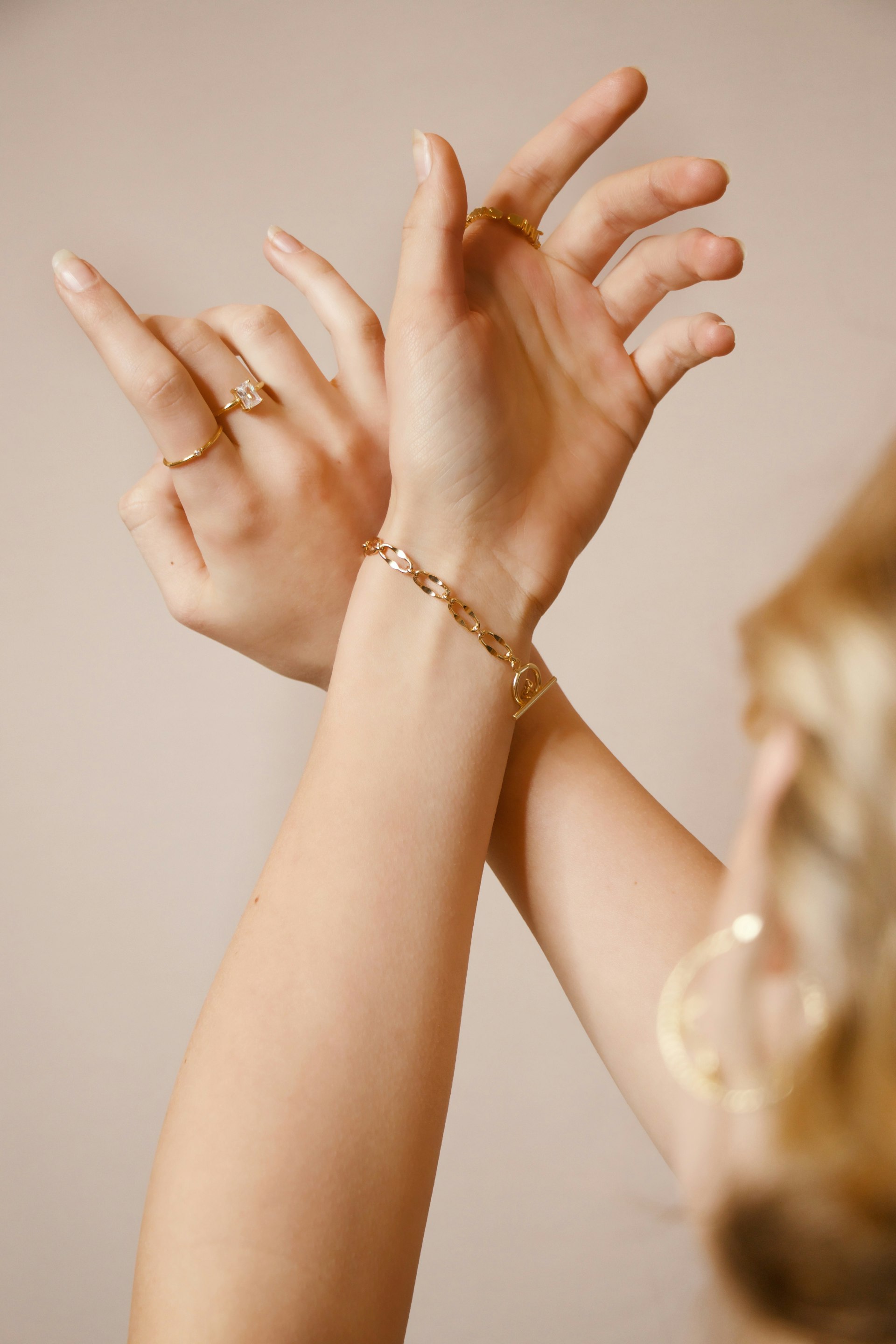
Super Smalls Review: Kids' Jewellery, and the Two Questions to Ask Any Brand That Makes It
Back to Articles
Guides11 min readAugust 11, 2026

Super Smalls Review: Kids' Jewellery, and the Two Questions to Ask Any Brand That Makes It

Super Smalls makes kids' jewellery, play makeup, bead kits and dress-up accessories for ages 3 and up, priced $35 to $85 with free shipping over $85. Lead, cadmium and small parts are the questions worth asking first.

By Med Consumer Watch Team
Super Smalls makes children's jewellery and accessories — necklaces and sets, earrings, bracelets and rings, bead kits, play makeup and lip sets, nail care, craft and sticker sets, handbags, goggles and eyewear, and hair accessories. It carries Disney and MLB licensed collections and organises the site by age: 3–5, 6–9, 10+, plus a grown-ups range. Verified terms: prices clustering at $35, $36, $39, $42 and $85; free shipping on orders over $85; gift bands at under $35 and under $50. The product is well made and well merchandised. The brand's own framing — jewellery "inspired by the glitzy grown-up stuff, but made for play" — is exactly right, and dress-up play is genuinely good for children. But children's jewellery is a regulated product category for specific reasons, and there are two questions worth asking any brand in it. This review spends most of its time there, because that is the part a product page will not tell you. This review contains affiliate links and we may earn a commission if you buy through them. The assessment is our own. Site details verified August 11, 2026.

The two questions: heavy metals, and small parts

These apply to every kids' jewellery brand, not just this one. Ask them of whatever you buy. Question one: does it meet US children's product limits for lead and cadmium? The rules are specific. Under US law, accessible components of children's products may not contain more than 100 parts per million of total lead content. Manufacturers and importers are required to certify compliance in a Children's Product Certificate (CPC), based on testing by a CPSC-accepted third-party laboratory. Separately, cadmium in paint or surface coatings on children's jewellery is restricted to 75 ppm under the ASTM F963 toy safety standard. Why these two metals specifically. Lead causes irreversible neurological harm in children, with no known safe level of exposure — and small children put jewellery in their mouths, which is the exposure route. Cadmium became a focus after cheap children's jewellery was found containing very high levels; it is toxic to the kidneys and bones and is also a mouthing risk. Where the risk actually sits. Not usually with established brands selling through their own site — those generally have CPCs and testing programmes because they must. The risk sits with unbranded jewellery from marketplaces and party-bag suppliers, where certification is often absent and enforcement is difficult. This is a real reason to buy children's jewellery from a named brand rather than the cheapest listing. What to ask: whether the specific item has a Children's Product Certificate, and whether third-party testing covers lead and cadmium. A brand that takes this seriously answers immediately. Question two: small parts, and the actual age of the child. Age labels are safety information, not marketing. A product labelled 6+ is labelled that way frequently because it contains parts that would be a choking hazard for a younger child. The "3–5" grouping on this site is doing real work — and buying up a band because a four-year-old is "advanced" is the specific way this goes wrong. Beads deserve their own mention. Bead kits are wonderful for fine motor skills and are the single highest-risk item in this category for a household with a younger sibling. Loose beads on a floor, a toddler crawling. Bead play should be table-only, supervised, and swept up completely where there is a child under three in the house. Earrings: piercing is a decision with its own infection and allergy considerations. Nickel is the most common contact allergen in jewellery; if a child reacts to earrings, nickel is the first suspect.
  • What to check | The standard | Why
  • Total lead content | Max 100 ppm in accessible components | No known safe level of lead exposure in children
  • Cadmium in surface coating | Max 75 ppm (ASTM F963) | Toxic, and a mouthing risk
  • Children's Product Certificate | Required, based on third-party testing | Ask the brand for it
  • Age label | Follow it | Usually reflects small-parts risk, not skill
  • Nickel content | Common contact allergen | First suspect if earrings cause a reaction

Follow the stated minimum age on children's jewellery and craft sets - it is safety labelling, not a suggestion. Beads and other small parts are a choking and aspiration risk for children under three. If there is a toddler in the house, keep bead play to a supervised table and account for every bead afterwards.

Play makeup, and what 'cosmetic' means for a child

Super Smalls sells play makeup, lip sets and nail care, and this is worth its own section because parents ask about it constantly. The regulatory position, stated plainly. Cosmetics in the US are not subject to FDA pre-market approval — with the exception of colour additives, which must be approved and, for many, batch-certified by FDA. Manufacturers are responsible for the safety of their products. The Modernization of Cosmetics Regulation Act of 2022 (MoCRA) strengthened this considerably, adding facility registration, product listing, adverse event reporting and safety substantiation requirements. But there is still no FDA approval step for a children's lip gloss. What that means in practice: the meaningful signals are the ingredient list, whether the brand states its products are formulated for children, and whether colour additives are FDA-approved for cosmetic use. What to look at: Colour additives. These are the most regulated part of a cosmetic and the part most likely to matter. Approved cosmetic colour additives are listed by name on the ingredient panel. Lip products get eaten. Not maybe — a child with lip gloss will ingest a meaningful proportion of it. Look at the ingredient list with that in mind. Fragrance and known sensitisers, which are the most common cause of contact reactions in children. Nail products, where the relevant concerns are solvents and the strong smell in an unventilated room. Peel-off, water-based children's nail polish is the sensible choice over anything requiring remover. Patch test anything new on a small area of arm skin before it goes on a face, particularly for a child with eczema or sensitive skin. A proportionate view. Play makeup used occasionally by a school-age child is not a health problem, and dress-up play has real developmental value. The two rules that matter are: age-appropriate products, and keep it off the eye area — eye cosmetics carry infection risk and are the most common source of cosmetic-related eye injury in children.

Patch test any new play makeup on the inside of a forearm and wait 24 hours before it goes near a face, especially for a child with eczema. And keep cosmetics away from the eye area entirely - eye products are where the genuine injury risk in children's cosmetics sits.

What Super Smalls does well, and what it costs

The merchandising is genuinely good, and that is not a small thing when buying a gift. Shop by age — 3–5, 6–9, 10+ — is the right primary organisation for a children's brand, because age suitability is the thing a gift-buyer most often gets wrong. Shop by price — under $35, under $50 — is the second most useful axis, and having both is better than most brands manage. The range is broader than jewellery: bead kits and crafts, dress-up accessories, handbags and bag charms, goggles and eyewear, hair accessories, and licensed Disney collections (Princess, Mickey & Minnie, Moana, Frozen, Lilo & Stitch) and an MLB collection. Licensed collections matter for gifts because a child who loves one specific character is a solved gift problem. A "Plan a Party" section and gift sets extend it into occasion buying, which is what this brand is largely for. Pricing: heavily clustered at $35 to $42, with $85 for larger sets and gift bundles. That is premium for children's jewellery — you can buy a plastic necklace for a fraction of it. What you are paying for is design, brand licensing and, importantly, a company with a compliance obligation. On the last point specifically, paying more for children's jewellery from a named brand rather than an anonymous marketplace listing is a defensible decision, not a vanity one. Free shipping over $85, with promotional add-ons — at the time of checking, a free back-to-school dry erase board on orders over $85. The usual note: a threshold gift is only a saving if you wanted the $85 of product anyway. What we could not verify and would ask before a first order: the return policy and window, whether the brand publishes its Children's Product Certificate or testing summary, and the specific minimum age on bead kits and small-part items. The middle one is the question worth asking, and a good brand will answer it.

Buy by the age band on the site rather than by what looks appealing. If you are buying a gift and do not know the child's exact age, buy down rather than up - a five-year-old can enjoy a 3-5 item, but a three-year-old should not have a 6-9 one.

Frequently asked questions

How much does Super Smalls cost? Mostly $35 to $42, with gift sets and bundles around $85. Free shipping applies over $85. What ages is it for? The site organises by 3–5, 6–9 and 10+, with a grown-ups range as well. Is children's jewellery safe? It is regulated: accessible components of children's products may contain no more than 100 ppm total lead, cadmium in surface coatings on children's jewellery is limited to 75 ppm under ASTM F963, and manufacturers must certify compliance in a Children's Product Certificate based on third-party testing. Ask the brand for its certificate. Why does lead matter so much? There is no known safe level of lead exposure in children, and the harm to neurological development is irreversible. Small children mouth jewellery, which is the exposure route. Are bead kits safe for young children? Follow the stated age. Beads are a choking and aspiration risk for children under three — keep bead play to a supervised table and account for every bead if there is a toddler in the house. Is play makeup safe? US cosmetics are not FDA pre-approved, though MoCRA added registration, listing, adverse event reporting and safety substantiation requirements. Read the ingredient list, patch test first, and keep products away from the eye area. My child reacted to earrings — why? Nickel is the most common contact allergen in jewellery and the first thing to suspect. Is it worth paying more than a marketplace listing? For children's jewellery specifically, yes. Unbranded and uncertified jewellery is where the heavy metal problems have historically been found. Are the Disney items official? The site lists licensed Disney and MLB collections. What is the return policy? We could not verify it — confirm the window and terms before ordering.

The Bottom Line

Our rating: 7.5 / 10. A well-designed, well-organised children's brand at a premium price — and in this category, some of that premium buys something real. The merchandising is a genuine strength. Shop by age (3–5, 6–9, 10+) and shop by price are the two axes a gift-buyer actually needs, and having both is better than most children's brands manage. The range extends sensibly from jewellery into bead kits, crafts, dress-up and licensed Disney and MLB collections, which solves the character-specific gift problem. Free shipping over $85 and a party section round it out. The price is high for children's jewellery — $35 to $42 for most pieces — and it is fair to say you are paying partly for design and licensing. But you are also paying for a company that carries a compliance obligation, and in this specific category that matters: children's products face a 100 ppm total lead limit, a 75 ppm cadmium limit on surface coatings, and a Children's Product Certificate requirement based on third-party testing. The heavy metal problems in children's jewellery have historically come from uncertified, unbranded product, not from named brands. Paying more here is a defensible decision. What we would want to see is the testing story told openly — we could not verify a published Children's Product Certificate or testing summary, and a brand selling jewellery to three-year-olds has every reason to lead with that. Ask for it before your first order. Buy it if you want a good gift and you buy to the stated age band. Follow the age labels, keep bead play supervised and off the floor if there is a toddler in the house, and patch test any play makeup before it goes on a face. Check Super Smalls' current range and age guides Informational only. Prices and shipping thresholds verified as published August 11, 2026 and subject to change; return terms were not verifiable - confirm before ordering. Follow stated minimum ages: small parts including beads are a choking and aspiration hazard for children under three. US children's products are subject to a 100 ppm total lead limit and require a Children's Product Certificate based on third-party testing; cadmium in surface coatings on children's jewellery is limited to 75 ppm under ASTM F963. Cosmetics are not subject to FDA pre-market approval - patch test before use and keep products away from the eye area. If a child swallows a small part or a battery, seek emergency care immediately.

Medical Disclaimer

This article is for informational purposes only and is not intended as medical advice. Always consult with a qualified healthcare provider before making decisions about your health or medications. Individual experiences may vary.

Enter to Win a $1,788 CoreAge Rx Gift Card

Enter for a chance to use it toward eligible CoreAge Rx products and services.

The gift card may be applied toward eligible CoreAge Rx products and services. Prescription products additionally require completing the intake process and evaluation by a licensed healthcare provider, who alone decides eligibility and treatment. Winning does not guarantee that you will qualify for a GLP-1 medication or any other prescription treatment.

No purchase necessary. Prescription products require provider evaluation and approval. See Official Rules. Official Rules · Gift Card Terms · Privacy Policy · Terms